
Article 3
How use of AI may impact natural and human environments
Author: Neera Vyas
How use of AI may impact natural and human environments
Almost everything we do online in 2026 either automatically uses Artificial Intelligence (AI) or includes the option of using AI. It’s quick, easy and saves time – so, what’s not to like?
For some people, the speed at which this technology is progressing, together with the huge amounts of natural resources it uses, is a big concern.
120KW is the size of boiler needed to heat a large warehouse – this is approximately how much heat is given off by an average AI data centre. (Think about how hot your iPad or laptop gets in a few hours and multiply that many times!)
100 words written using ChatGPT requires the equivalent 500ml of water.
Large data centres can use up to 19 million litres of water each day.
(Figures sourced from New Internationalist magazine, 560, March-April 2026, https://newint.org/issues/ai-people-behind-machine)
Does this information surprise you?
How does it make you think about your own use of AI?
What is an AI data centre?
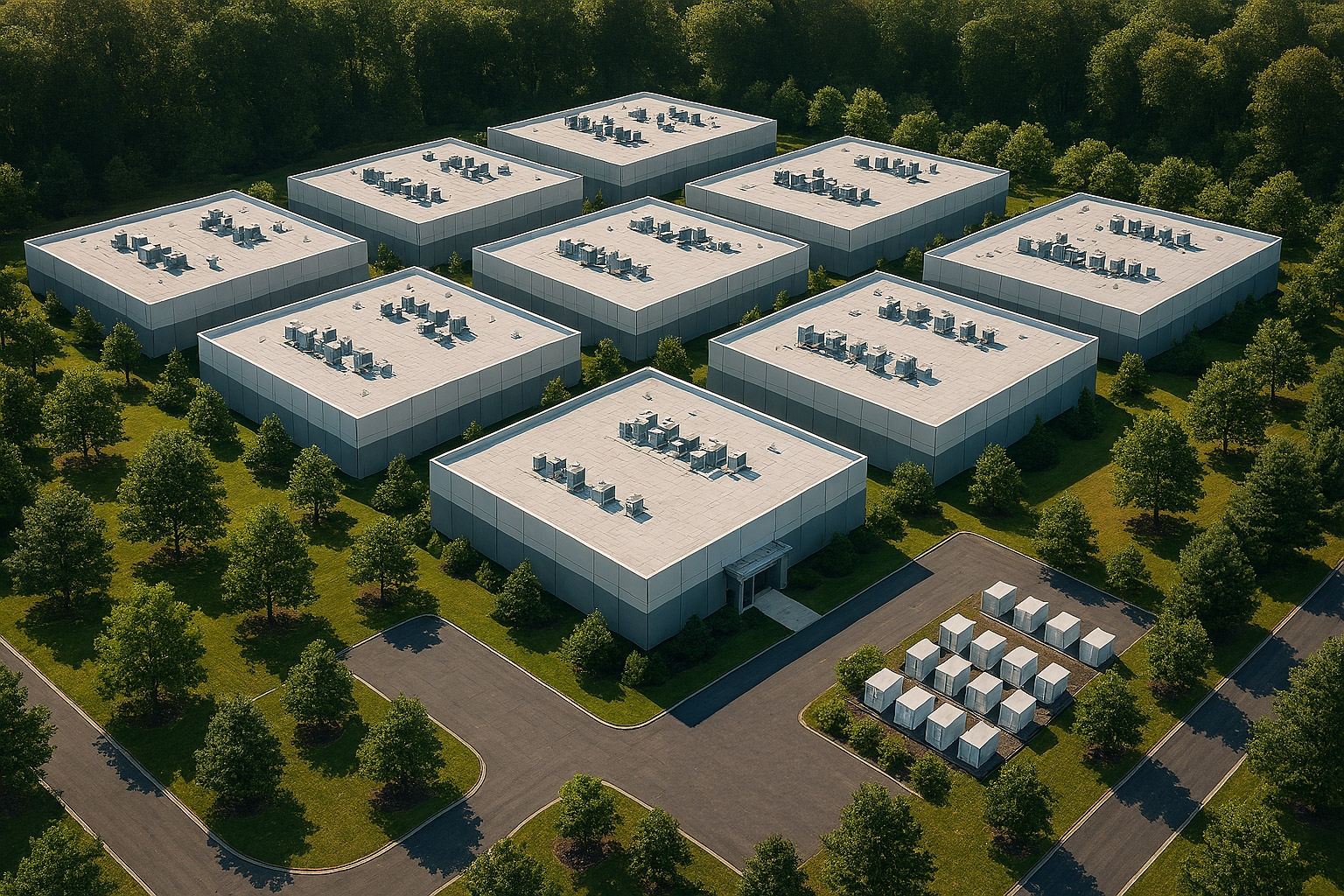

In August 2025 there were 477 data centres across the United Kingdom. Data centres are large (sometimes huge) warehouses filled with very powerful computers, which are used to create and run all kinds of online services, such as streaming, banking and generating essays.
According to a BBC News investigation in August 2025, this number is set to increase by almost a fifth:
Construction researchers Barbour ABI have analysed planning documents and say that number is set to jump by almost 100, as the growth in artificial intelligence (AI) increases the need for processing power.
(BBC, 2025) : https://www.bbc.co.uk/news/articles/clyr9nx0jrzo
The BBC report also suggests that there are 9 new AI data centres planned for Wales, including one in Newport, funded by the technology giant Microsoft. Microsoft is funding AI data centres around the world, along with other ‘big players’, such as Google, Amazon, Open AI and Meta.





As with most new technologies, AI data centres bring up some environmental ethical dilemmas and there are two sides to their existence and expansion.
Environmental
pros
AI can improve people’s lives and job opportunities by enhancing their ability to communicate using technology. For example, writing CVs, researching a project or essay, working on a speech for a special occasion such as a wedding.
AI enables people all over the world to access easily and cheaply information, entertainment and news.
The companies building AI data centres pledge to create a wide range of jobs in the construction, maintenance, and running of AI data centres. For example, building, engineering, data input and analysis, cleaning, canteens, security.
The companies also promise to work toward balancing out the environmental impact of their centres. For example, Google plans to use an air-cooling system (rather than water which most centres currently use) for the new AI data centre being built in Hertfordshire (near London).
The electricity needed to run the new AI data centres could be created using solar and wind power. This would generate even more jobs in building and maintaining these sources, as well as possibly providing ‘green energy’ for local communities.
Environmental
cons
People concerned about AI data centres are not convinced that the environmental promises made by some companies will be kept. They give examples from places such as Pennsylvania in the USA where drilling for natural gas, more electricity generators and more nuclear power is planned to provide the energy required to run huge new AI data bases.
Some people (including some in Wales) are concerned about the possible safety risks of nuclear power. In Pennsylvania, some citizens are very concerned that the nuclear power planned as part of the energy supply for new AI data centres could include the reopening of Three Mile Island – there was a nuclear explosion of the power plant there in 1979.
Another concern is what will happen to the land used for AI database centres when they become out of date and obsolete. In Pennsylvania, objectors point to the pollution, dereliction and scarred landscapes left behind from coal pits, steel plants, and manufacturing factories in the past. They fear that the same will happen when AI data centres are no longer functioning or required. Wales has a similar industrial past in terms of coal, steel and manufacturing leaving damaged landscapes, so this is a concern for Wales too.
The heat generated by the data centres and pollution from energy creation and immense use of water could affect supplies and costs for locals, adding to problems many already face due to hosepipe bans and high water bills.
The energy needed to supply electricity to new AI data centres will need to come from huge new green energy projects (which may affect local landscapes or farmland); or from burning fossil fuels (which may contribute to air pollution and greenhouse gases); or from creating more nuclear energy (which may have safety concerns).
The jobs created for planning and building the centres are short term as they will only last for the time that this takes, and some companies may bring in their own staff for many jobs rather than recruit locally, so the build would not necessarily benefit locals.
Data work can be undertaken remotely, so companies could run the centres with staff from anywhere in the world, especially from places where they can pay lower wages. For example, data workers in Kenya training ChatGPT were earning $2 an hour in 2025 (about £1.50) which is well below the UK minimum wage of £8 (under 18), £10.85 (18-20), £12.71 (over 21). This could mean that locals do not benefit from jobs, and this is seen by some as exploitation of the poor, given the ‘big’ AI company owners make billions. (The Kenyan worker figures are from the New Internationalist magazine (560) March-April 2026, using data from ‘The Hidden Cost of AI’ by Uchechukwu Ajuzieogu in Aylgorith June 2025 nin.tl/hiddencost. The UK minimum wage figures are from www.gov.uk).
Most world religions teach respect for Earth and for all people – the environmental ‘cons’ above along with possible exploitation of workers from poorer countries would therefore be a concern. For example, many Christians believe humans are stewards/caretakers of Earth for God, so causing environmental damage is harming God’s creation and therefore wrong. In addition, Jesus taught people to care for each other and that everyone is equal – exploitation of workers would go against Jesus’ command to ‘do unto others as you would have them do to you’.
Many people believe Earth is sacred because it has been created by the divine. Many others believe we must protect Earth and the environment because we need natural resources such as clean air and water to survive.
Many Hindus believe the Divine/God is part of everything – “I am the fresh taste of water, the light of the sun and moon...” (Bhagavad Gita 7:8), and everyone – “I reside in every heart...” (Bhagavad Gita 15:15). Therefore, harming the Earth or other people is also harming the Divine. In addition, the law of karma teaches that ‘what goes around comes around’, meaning any harm we knowingly do will have consequences in this life or another. (Most Hindus believe in reincarnation.)