Article 2
Can a robot be your spiritual guide?
Author: Gareth Evans-Jones
Can a robot be your spiritual guide?
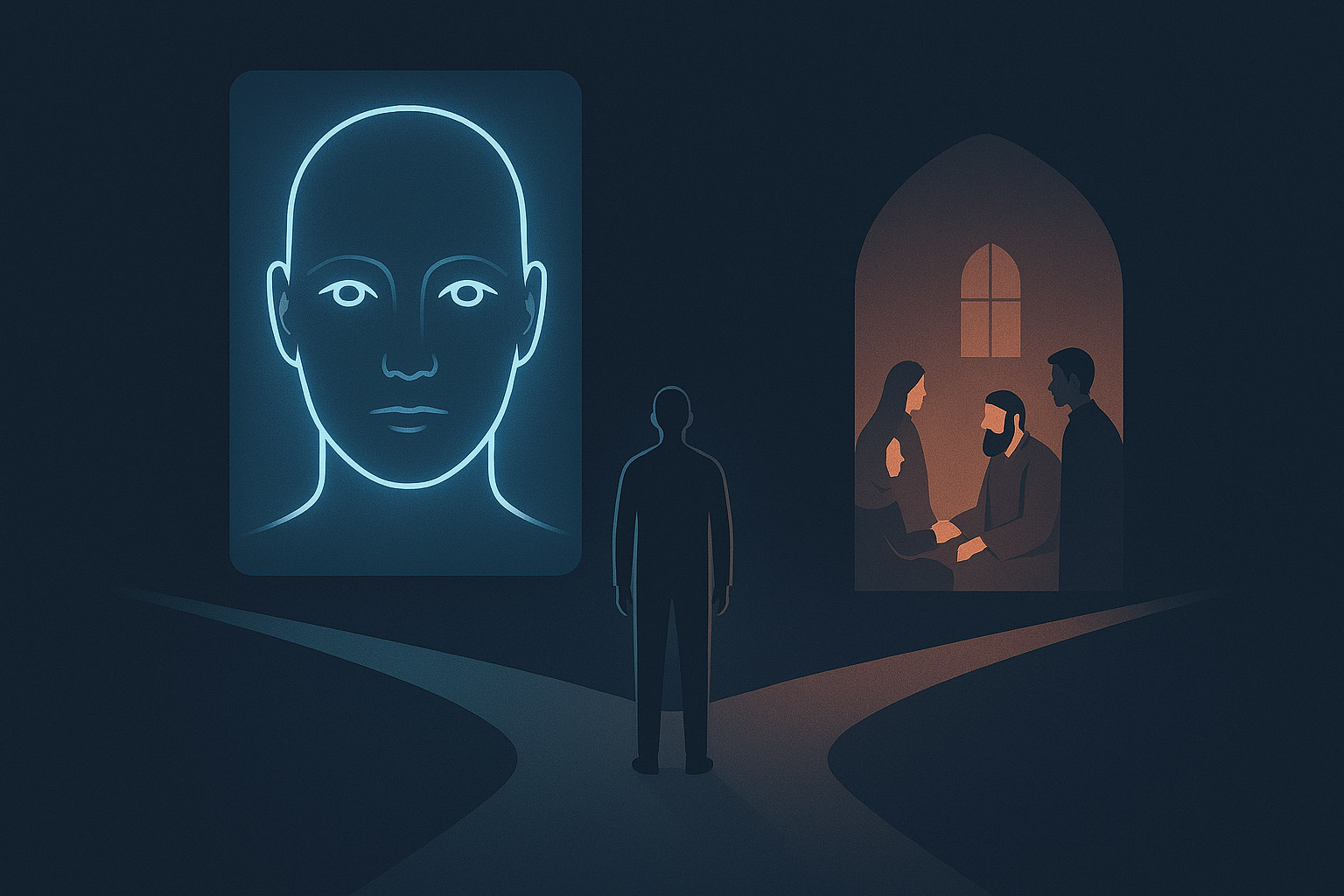
It’s late and you have a question you can’t stop thinking about linked to life, belief, or what’s right and wrong. Maybe it came up in an RVE lesson, or maybe it’s something more personal. There’s no teacher or religious leader around to ask. So, like many people today, you turn to your phone, and within seconds, Artificial Intelligence (AI) gives you an answer drawing on religious texts, teachings, and ideas from around the world.
As technology develops, AI is beginning to play a role in how people learn about religion, ask ethical questions, and even explore spirituality. But can a ‘machine’ really guide someone spiritually? And what are the opportunities, and risks, of turning to AI for answers about belief?
AI and religion in action
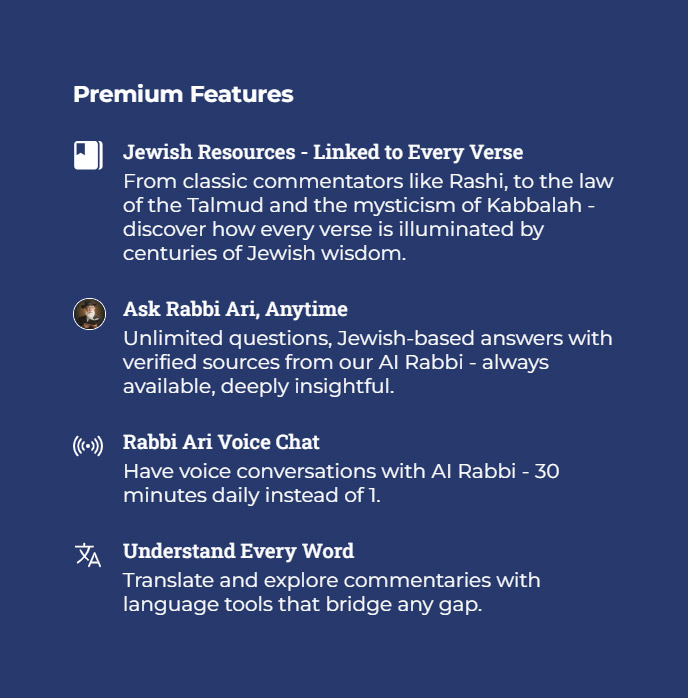
AI is already being used in religious contexts in ways that might surprise you. For example, some Jewish communities have experimented with AI Rabbi systems as tools to answer questions about Jewish law (halakha), such as which foods are kosher or how best to observe religious festivals. They work by analysing vast collections of religious texts and commentaries.
In Christianity, there are Bible chatbots that allow users to ask questions like, ‘What does forgiveness mean in the New Testament?’ or ‘Can you suggest a prayer for anxiety?’ These bots often respond with relevant Bible verses and explanations. Meanwhile, in Buddhism, meditation apps, sometimes called ‘Buddha Bots’, guide users through breathing exercises, mindfulness techniques, and reflections on suffering and compassion; and some even simulate conversations based on Buddhist teachings.
These examples show how AI can provide instant access to religious knowledge and practices. Rather than searching through books or waiting to speak to a religious leader, people can receive answers almost immediately. For learners, this can be especially useful. If you’re revising for an RVE assessment or trying to understand a difficult concept, AI can offer explanations in simple, accessible language. It can introduce you to beliefs and practices from traditions you may not encounter in your everyday life. In this way, AI can support you as an ambitious, capable learner, helping you explore questions independently and deepen your understanding.
However, religion is not simply about information ... and that’s where things become more complex.

Access vs. authenticity: What can AI really offer?
One of the strongest arguments in favour of AI in religion is accessibility, as not everyone has access to a place of worship or a religious community. In rural areas, for example, there may be only one or two religious centres, or none at all. AI offers a different kind of space: private, immediate, and available at any time. You can ask difficult or personal questions without embarrassment, and for someone exploring their identity or beliefs, this can feel empowering.
Imagine a student who wants to understand fasting during Ramadan but doesn’t know any Muslims personally. An AI tool could explain the practice, its meaning, and how it is observed. In this sense, AI can reduce barriers and make religious learning more inclusive.
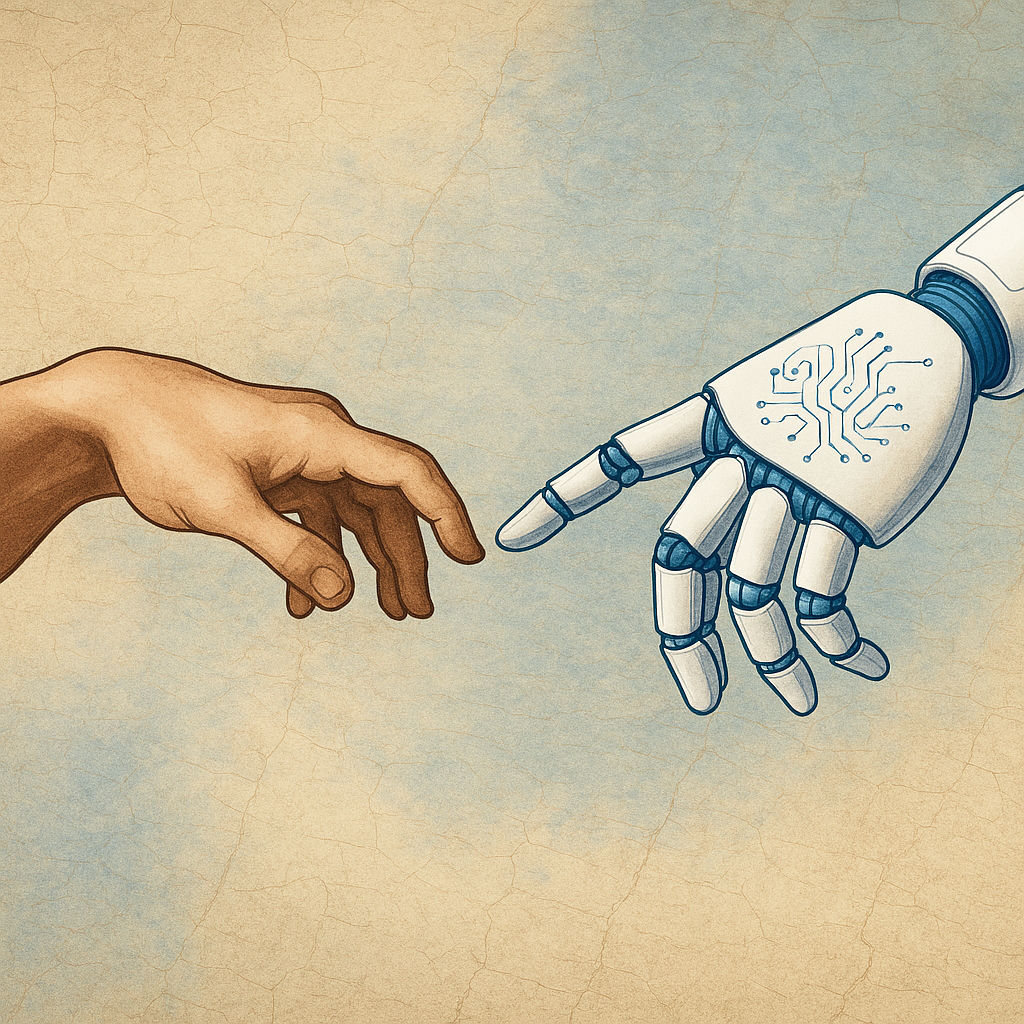
However, there is an important tension between access and authenticity. Religious traditions are deeply rooted in human experience, involving community, shared rituals, and relationships between people. A religious leader, such as an imam, priest, rabbi, or monk, does more than provide information. They listen, offer guidance, and respond with empathy shaped by their own life experiences. AI cannot replicate this due to not having beliefs, emotions, or personal experiences. As such, this raises an important question: Can something that has never lived a human life offer genuine spiritual guidance?
For example, if someone asks an AI chatbot for advice on dealing with loss, it might provide comforting words or relevant teachings but cannot truly understand what grief feels like. A human, on the other hand, can respond with empathy grounded in real experience. Humans interpret the world through emotions, relationships, and lived experiences, while AI processes data; and while it can sound convincing, it operates in a very different way. As an ethical, informed citizen, it’s important to think critically about this difference.
Risks, responsibility, and the future of spiritual guidance
Alongside its benefits, the use of AI in religion also raises serious ethical and wellbeing concerns, especially for young people, with one of the biggest risks being over-reliance. As AI becomes more advanced, it can feel like a trusted source of advice, with some people potentially turning to it not just only for information, but for emotional or personal guidance. However, AI is not a trained counsellor, teacher, or spiritual mentor. It cannot fully understand complex emotions or situations, so relying on it too heavily could prevent people from seeking support from trusted adults, friends, or community members.
There is also the issue of accuracy and bias. AI systems are trained on data, but that data is not always perfect. It may reflect certain interpretations of a religion while ignoring others, and in some cases, it could even produce incorrect or misleading information. For example, if an AI chatbot is trained mainly on one interpretation of Christianity, it might present that view as the only one, even though there are many different denominations and perspectives.
Another concern is accountability. If a human religious leader gives harmful advice, they can be challenged or held responsible, but if an AI system gives a problematic response, it is not always clear who is to blame: the developer, the platform, or the data it was trained on.
There is also growing debate about the commercialisation of religion. Some AI tools are free, but others require subscriptions or offer premium features, which raises important ethical questions, such as:
- Should spiritual knowledge be something people have to pay for?
- Does charging for access create inequality?
- Does it change the meaning of religious learning if it becomes a product?
Since many religious traditions emphasise sharing wisdom freely, turning spiritual guidance into something that can be bought and sold challenges this idea.
All these issues highlight the importance of critical thinking. Being a healthy, confident individual includes knowing when to use technology and when to seek support from real people.
So, can a robot be a spiritual guide?
AI is clearly changing the way people engage with religion. It can open doors, provide access, and support learning in new and exciting ways. For those who feel isolated or curious, it offers a way into conversations about belief and meaning. However, it also has limits, as AI can provide information, but it cannot replace human experience. It can simulate conversation, but it cannot form real relationships. It can offer guidance, but it cannot truly understand the human condition.
Perhaps the most important lesson is that AI is a tool and not a replacement for human connection, community, or wisdom. As technology continues to develop, the challenge for all of us is to use it thoughtfully and responsibly. In RVE, asking questions is just as important as finding answers, and in a world where technology is changing so quickly, those questions matter more than ever.