Article 1
Imagine life without rights… What would change?
Author: Paula Webber
An introduction to human rights through Religion, Values and Ethics
Let's try something. Imagine that you wake up tomorrow and some of the rights you have always taken for granted have disappeared. You arrive at school and discover that you are no longer allowed to attend because of your religion, your disability, your ethnicity, or your family background. You are told that you cannot express a particular opinion. Perhaps you are prevented from practising your religion, or from choosing not to have one. Maybe your family is not allowed to live together, or someone searches through your private messages without your permission. How would that feel?
Perhaps your first thought is, “That couldn't happen here.” And, in many situations, you would be right. But the protections we have for human rights did not appear by accident. Throughout history, people have been denied freedoms, discriminated against, and treated as though they matter less than others. For some people around the world, experiences like these are still part of everyday life.
Human rights are the basic rights and freedoms that belong to every human being simply because they are human. You do not have to earn them. They do not depend on being wealthy, powerful, successful, or popular, and they do not depend on your religion or beliefs, your nationality, ethnicity, sex, age or whether you have a disability. You are a human being, and that is enough.
This idea of equal human worth is at the heart of many discussions about human rights, but equality does not mean that everyone is the same. We have different identities, experiences, and needs. Someone with a disability may need support to have the same opportunities as another person. Someone who has experienced discrimination because of their religion or ethnicity may need protection from further unfair treatment. Treating people fairly does not always mean treating everyone in exactly the same way. Sometimes fairness means recognising difference and responding to what people need. This is called equity. The important idea is that every person matters.

Why does human Life Matter?
For many religious people, the question of human rights connects with much deeper questions about what it means to be human and why human life has value. For Christians, for example, human dignity may be connected with the belief that human beings are created in the image of God. Christian teachings about loving your neighbour and caring for people who are vulnerable can lead Christians to think about poverty, discrimination, refugees, and injustice.
Martin Luther King Jr., a Christian minister and civil rights leader, drew deeply on his Christian faith in opposing racial segregation and discrimination in the United States. His commitment to non-violent resistance was rooted in his belief in the dignity and equal worth of human beings. His life invites an important question: if we believe that every person has value, what should we do when we see people being treated unjustly? As well as following Jesus as a role model, Martin Luther King also looked to the Hindu leader Gandhi for inspiration as he was an advocate for non-violent protest too.
Islam also has a rich tradition of thinking about justice, human dignity, and responsibility. Muslims may draw on the Qur'an and the example and teachings of the Prophet Muhammad when considering how people should treat one another and how those with power should behave. The concept of ‘Adl, often translated as justice or fairness, is important in Islamic thought. One of the 99 names for Allah is Al ‘Adl meaning that Allah is the Most Just and Fair and Muslims try to emulate this in their own lives. This encourages questions about whether people are being treated fairly and whether our responsibilities to others change when we have greater power or influence. A Muslim might therefore ask not simply, “What rights do I have?” but also, “What does justice require of me?”
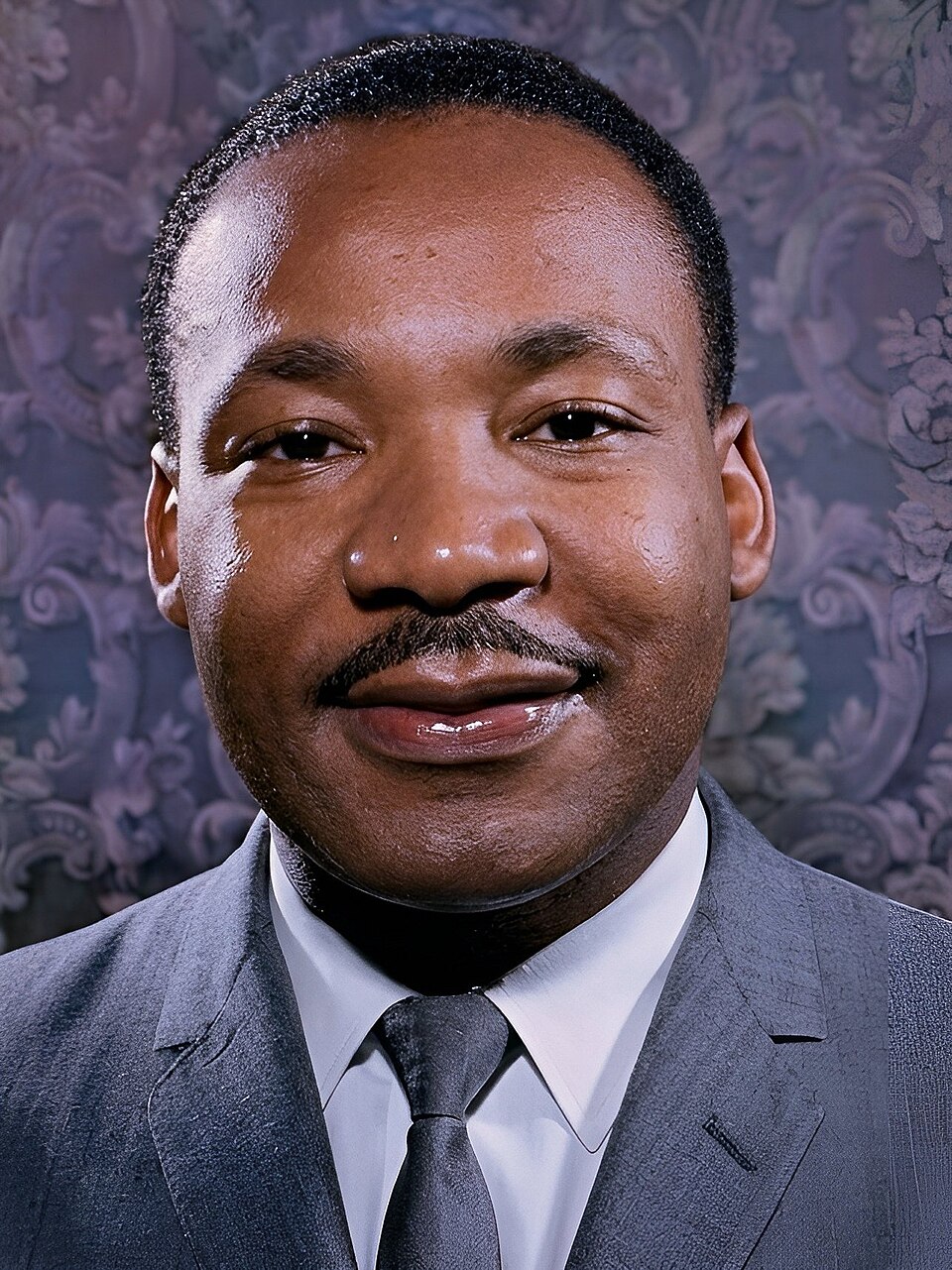
Martin Luther King Jr.
Wikipedia
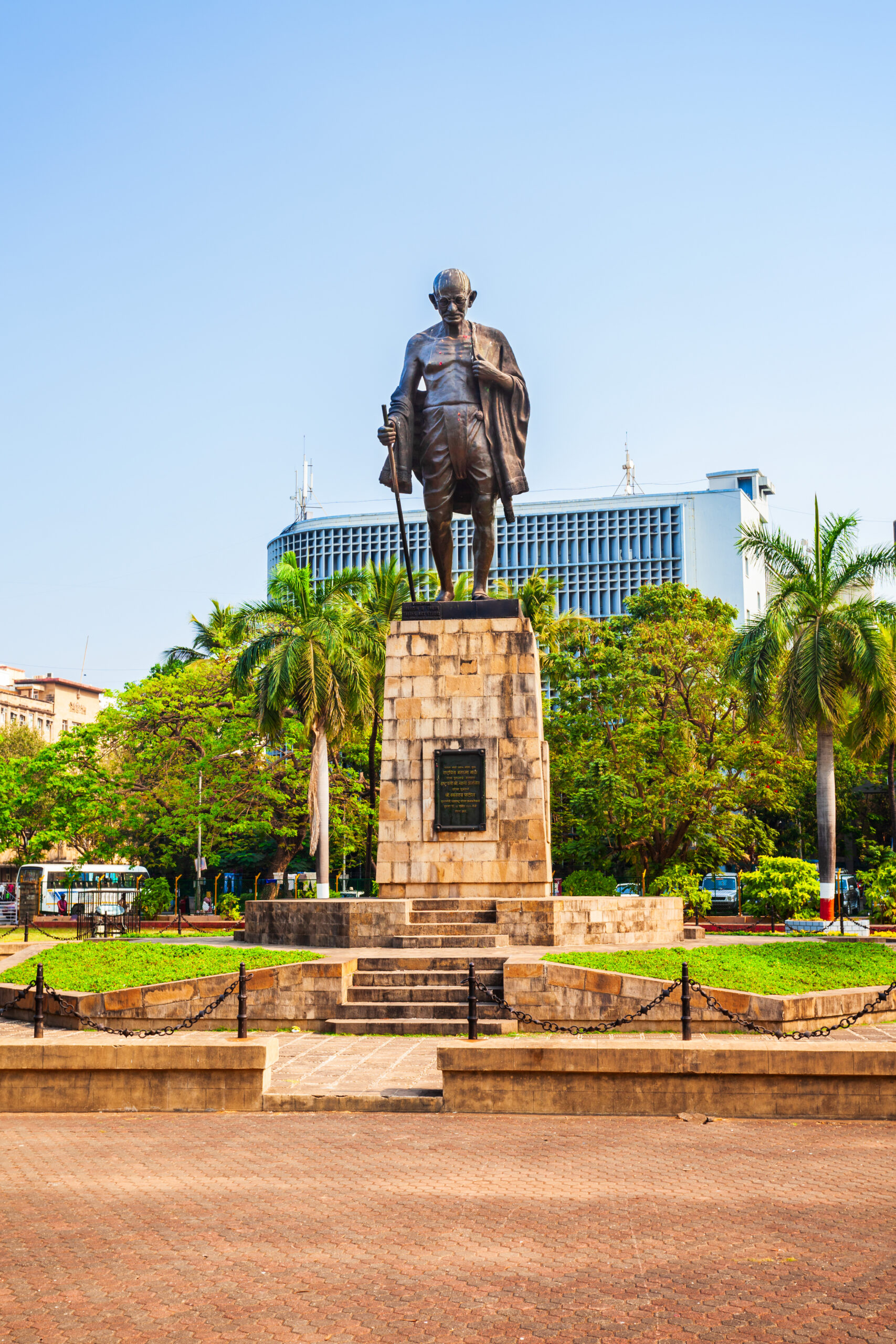
Statue of Mahatma Gandhi in the Churchgate region of Mumbai city, Maharashtra state in India
Jewish traditions have similarly explored questions of justice, human dignity, and responsibility towards others over many centuries. It was following the Holocaust during the Second World War, where so many Jewish people as well as other minority groups were discriminated against and systematically killed, that governments understood that human rights legislation was needed to protect people.
There are fascinating ideas to explore in Dharmic religions too. One of them is ahimsa, a term often translated as non-violence or non-harm. It is particularly associated with Hindu, Jain and Buddhist traditions, although it is understood differently within each. In Jainism, ahimsa is especially important and can lead to a strong commitment to avoiding harm to living beings. In Hindu traditions, ahimsa has influenced thinking about how people respond to violence and injustice. Mahatma Gandhi drew on ahimsa, alongside other religious and philosophical influences, when developing his approach to non-violent resistance.
This leaves us with a tricky question. If someone is behaving unjustly, is it right to resist them? Can we challenge injustice without becoming violent ourselves? Buddhist perspectives may place particular emphasis on compassion and reducing suffering. The Dalai Lama has frequently spoken about compassion and our shared humanity. We should not suggest that everyone within a religious tradition thinks in exactly the same way. Religious traditions are diverse, and people interpret teachings in different ways. That diversity is part of what makes Religion, Values and Ethics so interesting.
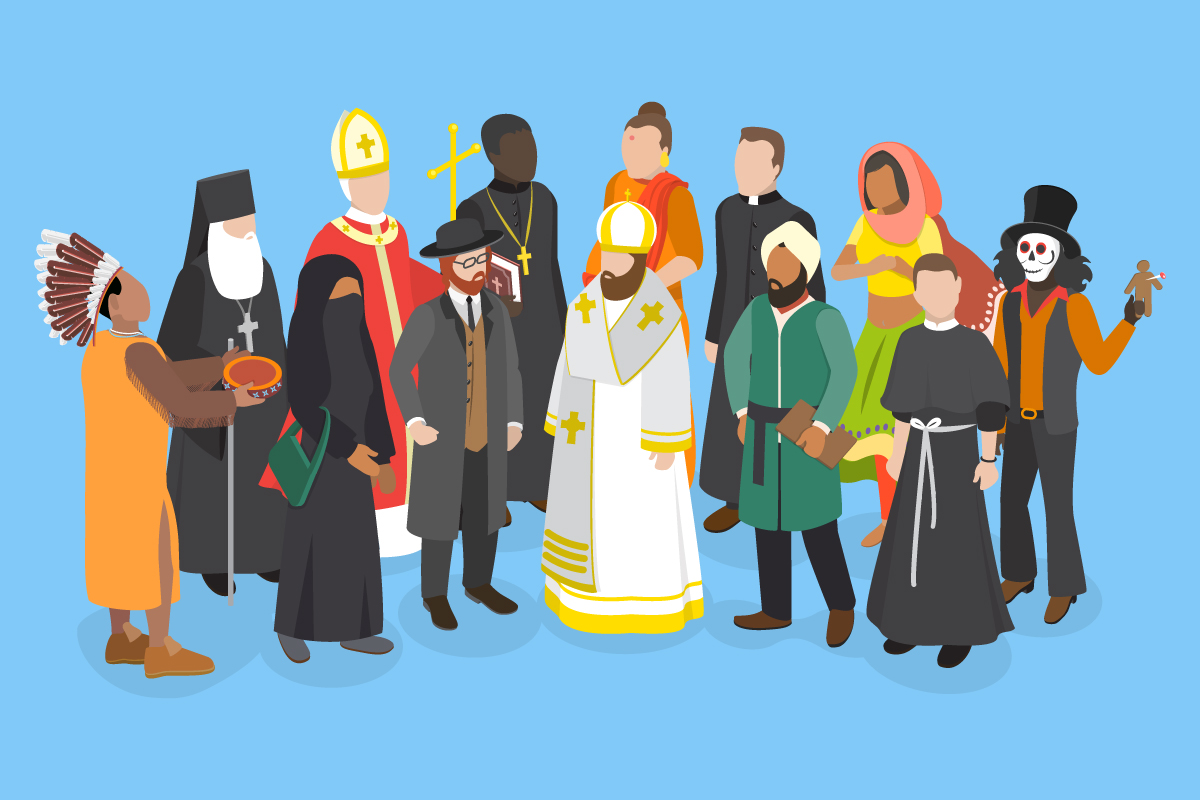
What if you don't believe in God?
Human rights are not only a religious question. Humanists and people with other non-religious philosophical convictions may approach these issues from a different starting point. Humanists generally argue that we can develop ethical principles through reason, empathy, evidence, and our shared experience of being human. A Humanist might argue that human rights do not need to be based on religious belief, while still affirming that every person should be treated with dignity and fairness.
This gives us one of the most interesting questions in the whole discussion: where do human rights actually come from? Do they have a divine source? Are they created by governments and protected through laws? Do they come from international agreements? Or do they arise from something about being human itself? Different religious and non-religious philosophical convictions may answer these questions in different ways.
Religion, Values and Ethics gives us the opportunity to explore those differences without assuming that everyone must reach the same conclusion.
What is the ECHR?
Following the horrors of the Second World War, European countries wanted stronger protections for human beings. The European Convention on Human Rights, usually known as the ECHR, was agreed in 1950. It protects a range of fundamental rights, including the right to life, freedom from torture, the right to a fair trial, freedom of thought, conscience and religion, and freedom of expression.
The ECHR is particularly relevant to Religion, Values and Ethics because freedom of religion or belief is itself protected. People should be able to hold religious beliefs, change their religion or belief, or hold non-religious philosophical convictions. The freedom to express beliefs is also protected, although rights are not always unlimited and can sometimes come into tension with the rights and freedoms of other people.


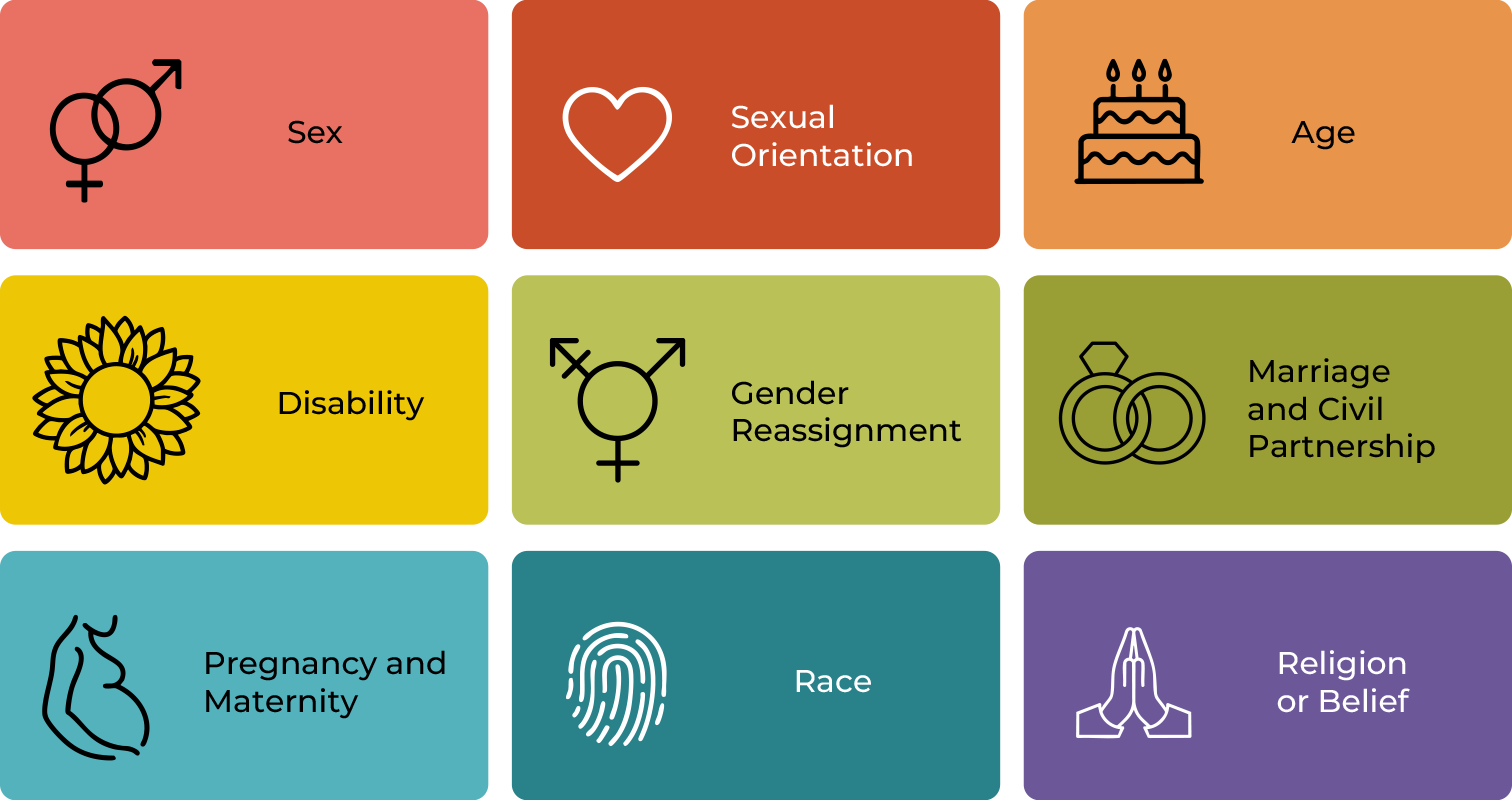
The ECHR is part of political debate in the UK. Some people see it as an essential safeguard because it gives individuals ways of challenging governments and protects people who may be vulnerable. In the UK there are 9 protected characteristics to ensure that everyone is protected by the law as we all have equal human rights. Others argue that changes are needed, particularly in relation to immigration, asylum and the balance between individual rights and the wider public interest. The UK government has recently supported changes to the interpretation of parts of the Convention while reaffirming its commitment to the ECHR as an important protection for rights. The debate is therefore not simply about ‘keeping’ or ‘losing’ rights; it is also about how rights should be interpreted and balanced in a changing society.
For a Religion, Values and Ethics classroom, this is much more than a political argument. It is an opportunity to explore ideas about authority, justice, freedom and responsibility. Who should decide what our rights are? Should governments ever be able to limit human rights? What happens when one person's rights appear to conflict with another person's rights? And what might change if the protections provided by the ECHR were no longer there?
Why should we care?
Human rights can sometimes sound like something that belongs in a law book or a courtroom, rather than something connected to everyday life. But they affect our lives in ways we may hardly notice. They help protect our freedom to learn, think, speak, believe, question, worship or choose not to worship. They provide protection from discrimination and place limits on the power of governments.
Human rights are also about something deeper. They ask us to think about what human beings are worth and what we owe one another. If every human being has equal worth, what responsibilities do we have towards people who are different from us? If I want my freedom to express my beliefs to be protected, should I also protect someone else's freedom to hold different beliefs? If my religious or philosophical convictions teach me to care about justice, what should I do when I see someone being treated unfairly? If I try to live according to ahimsa, how might that influence the way I respond when another person is being harmed? And if I do not have a religious belief, can reason and empathy lead me towards the same commitment to human dignity?
These are not questions with one simple answer. They are questions that religious and non-religious philosophical convictions have wrestled with for centuries, and they continue to matter today. Human rights are not simply about what we are allowed to do. They are also about how we understand the value of other people and how we choose to live together.
So, imagine life without rights. What would change?