
Article 2
Racial, Religious, Cultural and National Identity
Author: Neera Vyas
Labels
I remember my daughter (aged 8 at the time) asking me, “What am I?” To which my answer was, “A fabulous human.” However, she had more questions: “Am I Christian? Am I Hindu?”
I replied, “You can be either, or both, or neither, my lovely – you can be any religion you choose or none – when you feel ready, it’s up to you.”
“But they were asking in school and I don’t know,” came her reply.
Perhaps this highlights how much society may want us to have one label that we stick to. I’m from a Hindu family and her father is an Anglican Christian. We brought our daughter up experiencing both faiths – attending the church connected to her Church in Wales school, celebrating Hindu festivals and having images of deities around our home. We also tried to make it clear that in our view, having a faith or not is a personal choice, so whilst she was more exposed to Christianity and Hinduism, there were no expectations on her to follow either faith.
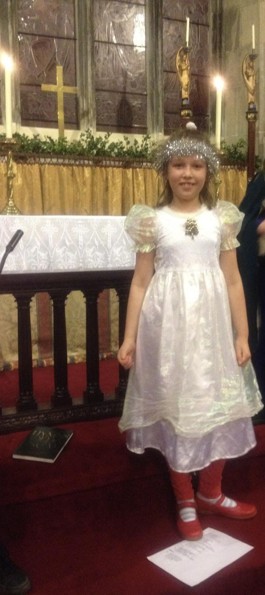
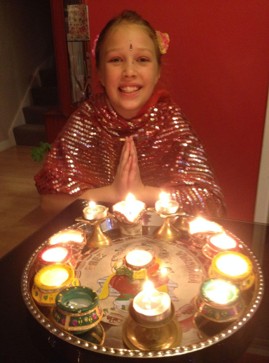
My daughter at a Church Nativity Service and celebrating Divali (a Hindu festival)
What does it mean to ‘belong’ to a faith or religion?
Not everyone feels this way though. For many people, faith (or religion) is something you are born into and which defines you, even to the point of people being ostracised and in some extreme cases, physically harmed for rejecting a religion, or marrying someone outside the faith. They might argue that my views devalue religious belief by making it a ‘pick & mix’ when it’s actually about heritage.
On the other hand, some people are willing to change their religion or to commit to a faith in order to marry someone they love.
So, what does belonging to a religion actually mean?
Aspects of Religion
Being baptised into or formally joining it
Following the rules
Performing or participating in the rituals
Reading the sacred texts
Celebrating the festivals and important dates
Believing in what the sacred texts say
Believing in the key teachings of that faith
Believing in the idea of God (or ‘supreme being’) of that religion
I’ve been privileged to meet and speak to a Holocaust survivor, whose answer to ‘Do you believe in God?’ was a definite ‘no’, but to ‘Are you still Jewish?’ was an equally definite ‘yes’. She kept a fully Kosher home and celebrated all the Jewish festivals. Why? Because, as she movingly explained, being Jewish was her identity – the thing which the Nazis had tried to wipe out, so she was holding onto it even tighter, no matter that she no longer believed in the God behind the faith.
Cultural pride
This sense of identity, through culture and customs rather than spiritual belief, is not uncommon, and it can become stronger when people feel their background is threatened. An example of this is a rise in young Muslim women choosing to wear a hijab in the years following the 9/11 tragedy and consequent wars. The reaction to these events from some non-Muslims was verbal and /or physical hatred towards all Muslims, resulting in some Muslims hiding their faith, but others feeling a need to show it more. Hence, some girls from families where a hijab was not the ‘norm’ began to wear it as a way of saying, ‘I’m proud to be Muslim – it’s not Islam that’s the issue, it’s the extremists’.
In my own experience, when faced with blatant racism in the workplace, part of my response was to dress ‘more Indian’ to show that I was proud of my heritage. I’ve also experienced someone insisting that I ‘cannot be Indian’ because my colouring didn’t match their stereotype of how I should look.
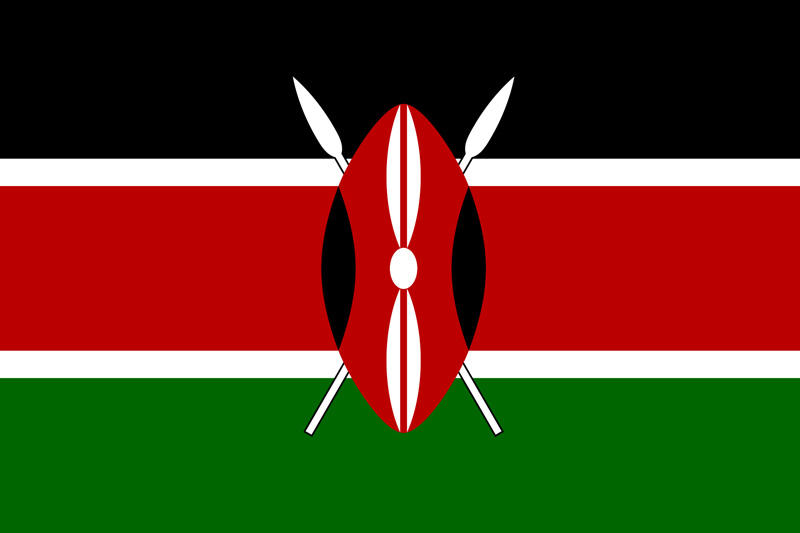
Kenya Flag
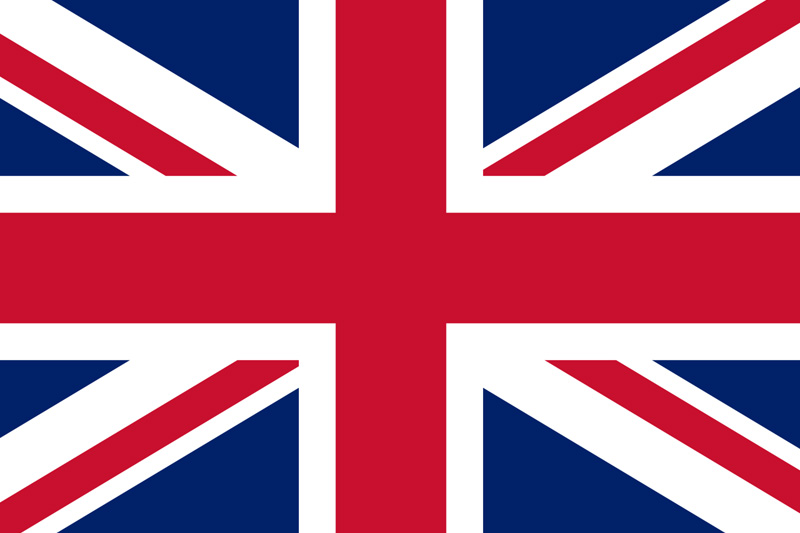
United Kingdom Flag
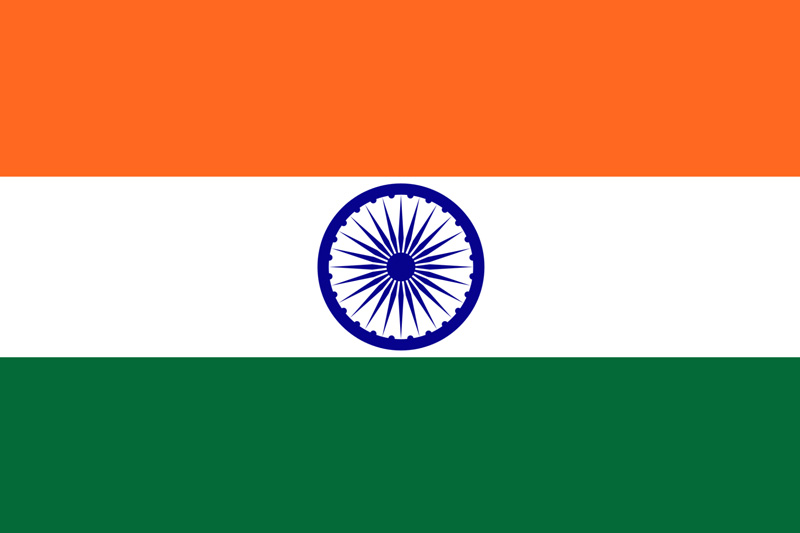
India Flag
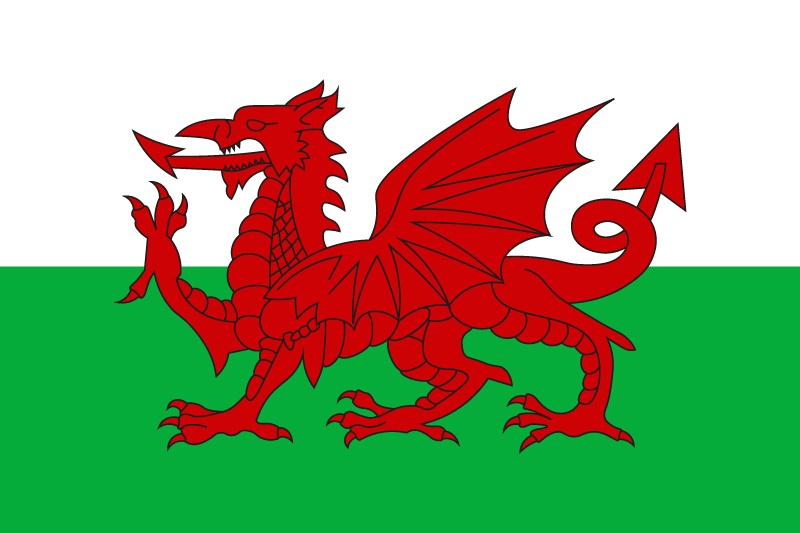
Wales Flag
We all judge by appearance and stereotypes though, don’t we? Even if we try not to. And what about nationality? In my case, I was born in Kenya when it was a British colony, as were my parents. Three of their parents were born in India, and one in Mozambique, which was a Portuguese colony. Our ancestry is all Indian (I’ve done the DNA check) and I’ve lived in the UK since I was 18 months old, and Wales since 1992. On paper I’m British, genetically I’m Indian, culturally I’m a mix of everything, and there is a hefty dose of cynefin. When I first moved here it just felt like ‘coming home’ – inexplicable but bone deep.
National identity
It’s therefore been really saddening in recent times to see flags (both Welsh and British) I love and relate to, being used by some as a message of ‘othering’, showing their disdain for those who they feel do not belong. I happen to be a first-generation immigrant, but I know others who are third or fourth generation ‘born and bred’ in the UK, who also feel that horrible unease. How far back or forwards do we go until someone is ‘one of us’?
Or is it about skin colour? Culture? Religion? Some immigrants only speak English, don’t follow any religion, are passionate England football or cricket / Wales football or rugby supporters, so what makes them ‘other’? I’m really not sure.
The same daughter who asked, “What am I?” is now 20 and has recently discovered a ‘way back’ great grandparent who owned sugar plantations and slaves, causing her to comment: “It’s really odd having ancestors on both sides of colonialism”. She’s not alone – as the world shrinks, more people are born to parents of very different backgrounds. This is great in terms of the global gene pool, yet some people fear a loss of identity if things become ‘too mixed’ without a clear reason why. Maybe it’s about needing one root rather than many strands? Or a deep belief that their particular religion / race / culture / nation is better than any other? Is it just that being human includes needing to ‘belong’? What do you think?