Article 1
Navigating Artificial Intelligence and misinformation: How do we know what’s true?
Author: Paula Webber
Navigating Artificial Intelligence and misinformation: How do we know what’s true?
Imagine asking a question online. One app tells you one thing. A video says something different. An AI chatbot sounds confident but gives another answer entirely. When information appears instantly, how do we know which answer is true? This is a question young people today are learning to ask every day.
Young people already experience Artificial Intelligence (AI) in positive ways. AI helps recommend music, supports learning apps, translates languages, suggests creative ideas, and even helps writers overcome a blank page. Many learners use AI to explore topics, practise revision questions, or discover new interests. These tools can open doors to curiosity, creativity, and confidence. However, with powerful tools come important questions.
What is Artificial Intelligence?
Artificial Intelligence, often called AI, does not think or understand like a human being. Instead, it looks for patterns across vast amounts of information and predicts what words, images, or answers should come next. It is a very advanced information‑gathering and synthesis. In other words, it sifts through vast amounts of information online and blends it together to give an answer. Because AI recognises patterns rather than meaning, it can sometimes produce answers that sound convincing, even when they are incorrect. AI does not know whether something is true. It generates responses based on probability, not understanding.
Can AI be trusted?
AI systems can make mistakes. Errors are more likely when questions involve specialised knowledge such as medicine, technical subjects, or religion and belief, where accuracy and context matter deeply. Humans must always review and question AI responses.
Responsibility sits with the user. When we read, share, or rely on information created by AI, we are still responsible for checking whether it is correct. Yet more responsibility also sits with the creators and shapers of AI systems. Young people are entering a future working world where they may design, train, or improve AI technologies themselves. Ethical choices made by developers affect society, fairness, creativity, and trust.
Misinformation and influence
Online spaces contain edited images, persuasive videos, and stories designed to attract attention. Algorithms often show people content that is similar to what they already believe, which can strengthen opinions without offering different perspectives or challenge. AI can unintentionally spread misinformation when incorrect data appears in training material or when users share content without checking it first.
Misinformation matters because it affects trust between people and communities. False information about religions, cultures, or events can create misunderstanding or division in society. This raises an important ethical question: is sharing incorrect information a moral issue? Many people believe it is, because spreading something untrue can harm others even when it was not meant to.
Religious teachings about truth
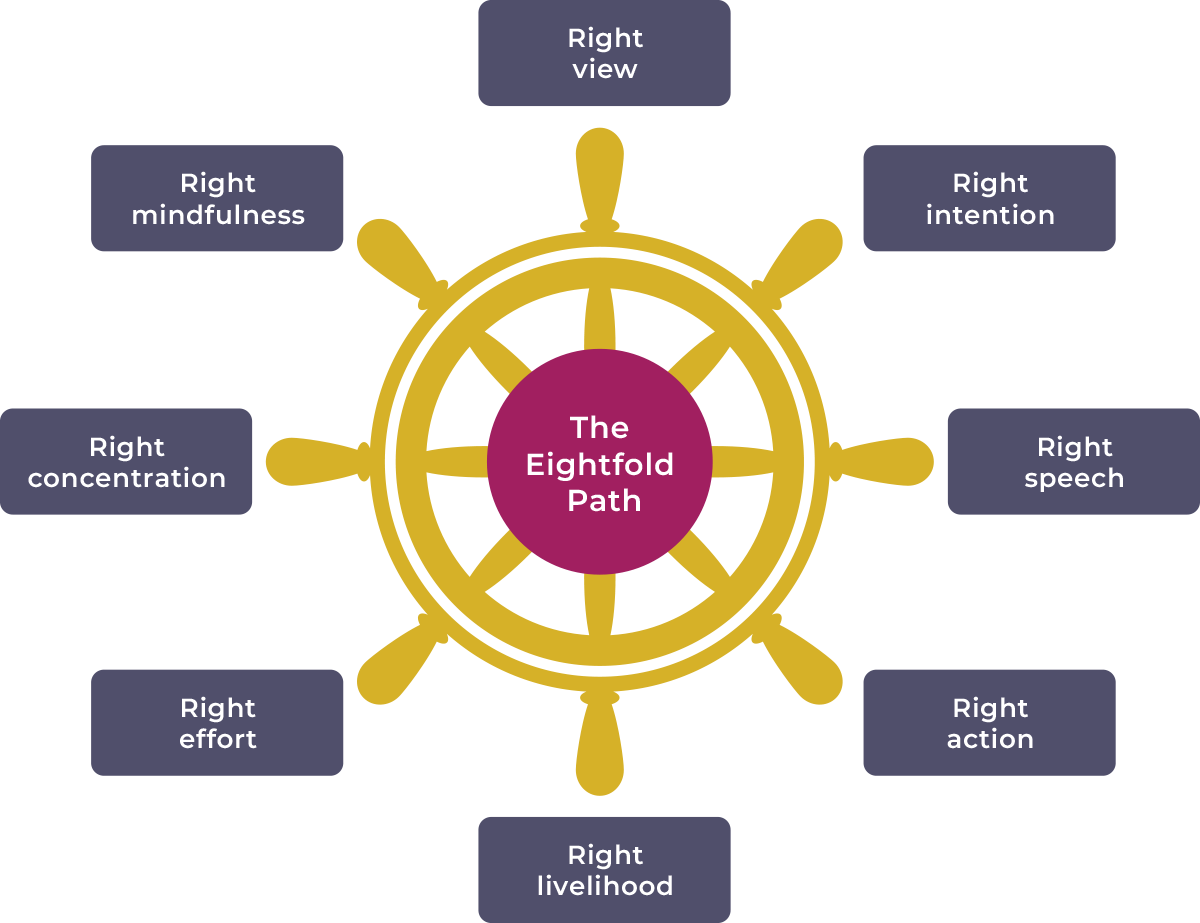
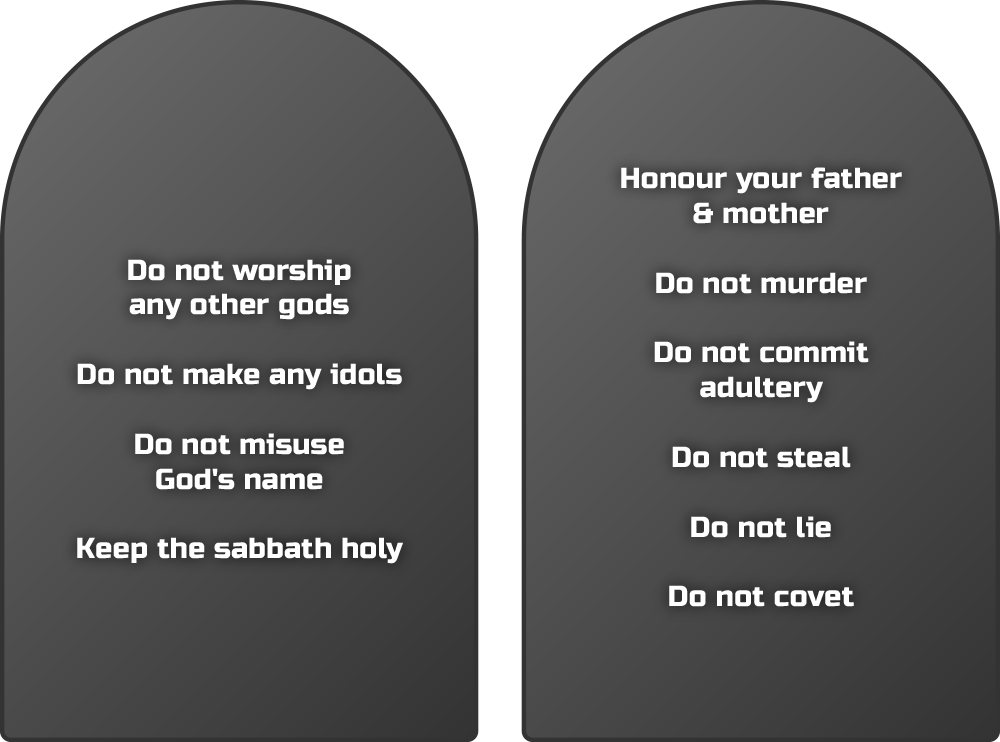
Religious traditions have long encouraged people to seek truth carefully. In Buddhism, teachings encourage individuals to test ideas rather than accept authority blindly. The Noble Eightfold Path includes Right View, Right Speech, and Right Mindfulness, reminding Buddhists to think carefully, speak honestly, and remain aware of how actions affect others. Jewish and Christian teachings also emphasise truthfulness. The commandment against bearing false witness teaches that honesty protects relationships and communities. These ancient teachings can guide modern digital behaviour by reminding us that truth matters in every age, including the online world.
The Eightfold Path
The 10 Commandments followed in Judaism and Christianity refer to the importance of not stealing and lying.
Humanist views on truth and evidence
Humanists believe knowledge grows through evidence, reason, and enquiry. The claims made online should be tested using reliable sources, and understanding develops when people ask questions and examine proof. From this perspective, ethical responsibility belongs to humans, not machines. Technology can assist thinking, but humans must decide what is true and good.
Across religious and non‑religious worldviews, shared values appear when navigating the world of AI – honesty, responsibility, curiosity, and critical thinking.
Ethical debates about AI today
AI does not genuinely understand meaning, yet humans may still act on its outputs. This raises ethical and legal questions about accountability. Who is responsible if AI creates harmful content? Who owns creative work produced with AI tools? In the UK, artists, including Elton John and Paul McCartney, have spoken publicly about copyright, asking whether creative work should be used without the permission of the artist to train AI systems. These debates show that ethical responsibility belongs not only to users but also to designers, companies, governments, and future professionals — including today’s young people.
Becoming seekers of truth
Living in an age of Artificial Intelligence means learning how to question information wisely. We can ask questions such as:
- Should we trust information just because it sounds confident?
- What might religious teachings suggest about checking claims?
- Why does truth matter for democracy, community, and belief?
- What responsibilities do we have when sharing information online?
- How can we use AI responsibly?
Technology can help us learn, create, and connect, but humans are still responsible for deciding what is true and what is good. By asking questions, seeking evidence, and acting ethically, we can become thoughtful users, and future shapers, of Artificial Intelligence.