
Article 2
Global neighbours:
Living together with difference
Author: Gareth Evans-Jones
Global neighbours – Living together with difference
If we look around any classroom, street, or online space, we will see it straight away: difference. People celebrate different festivals, wear different clothes, eat different foods, speak different languages, and follow different beliefs, or none at all. This diversity can be exciting and creative, and enriching. But it can also feel challenging, especially when people don’t understand one another. As such, a big question emerges: do differences cause problems, or can they be strengths?
Quite often, conflict doesn’t begin because people are different, but because difference is misunderstood or feared. When we don’t talk to one another, stereotypes can grow, and mistrust can take root. This is where the idea of pluralism becomes important. Pluralism doesn’t deny difference; in fact, it starts by recognising it and then asks how people can live well together by embracing diversity.
What is interfaith dialogue?
One practical way pluralism is engaged with effectively is through interfaith dialogue. Quite simply, interfaith dialogue means talking with people of different beliefs, religious and non-religious philosophical convictions, and not about them. It involves listening as much as speaking, asking questions respectfully, and being open to learning.
When we discuss interfaith dialogue, several common myths appear, and it’s important to acknowledge and challenge them in respectful ways:
- Interfaith dialogue does not mean changing your beliefs; rather, it’s focused on developing knowledge and understanding.
- It does not mean everyone ends up thinking the same; this would counter the whole idea of pluralism. Living in a pluralistic world means people think and live in diverse ways.
- It does mean learning how to live together with respect, by engaging with one another and being open.
At the core of interfaith dialogue is relationships. You can strongly believe what you believe, while still recognising the dignity and humanity of someone who believes differently. This skill is especially important in a globalised world where our lives are more connected than ever.
Shared values across beliefs
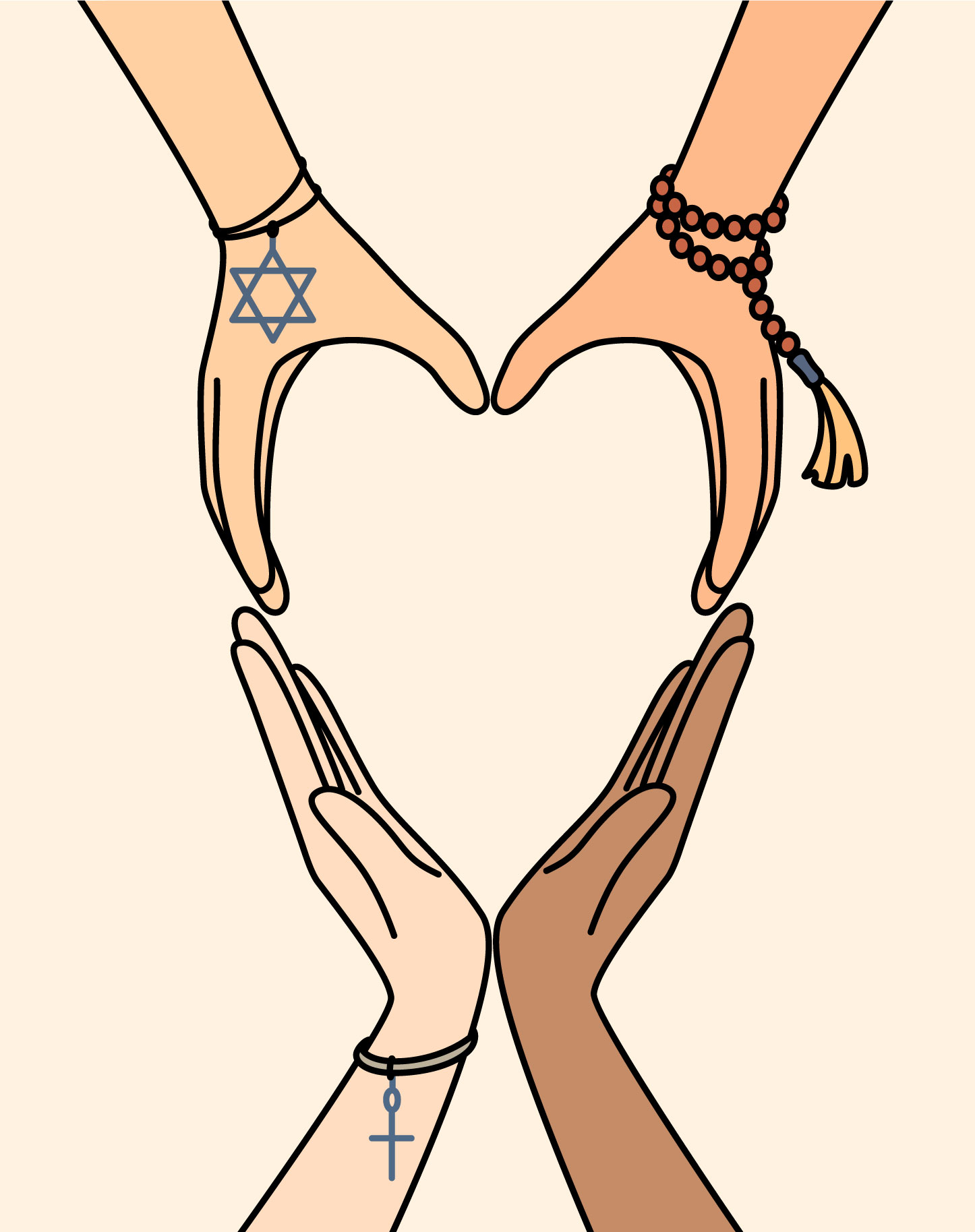
Although beliefs and practices can differ greatly, many traditions share important values. For example, kindness, justice, peace, compassion, and respect appear time and again across religions and worldviews.
Many traditions, religious and non-religious, encourage people to care for their neighbours, to help those in need, and to reject violence and hatred. These shared values don’t erase difference, but they create common ground. Recognising this helps us compare beliefs respectfully, rather than competitively.
Organisations such as Christian Aid build on this idea through their Global Neighbours work, by encouraging young people to see justice, dignity, and care for others as shared human responsibilities. This approach shows that you don’t need identical beliefs to work together for a fairer world; you simply require respect and a willingness to cooperate.
Why conflict happens
When discussing global relations, it is important to acknowledge that conflict does exist. Disagreements can and do happen, especially when beliefs feel deeply personal. Conflict often arises from misunderstanding, stereotypes, or fear of difference rather than from difference itself.
Imagine a fictional but realistic situation: a school plans a shared celebration, but some learners feel uncomfortable because they don’t understand the religious background of part of the event. Rumours spread and people stop listening. With time, what began as uncertainty turns into tension.
What went wrong here? Most likely, people spoke about each other rather than with each other. Dialogue could have helped in this instance by giving space for questions, explanations, and reassurance. Conflict doesn’t disappear through silence, but it can be transformed through understanding.
Pluralism: living with difference
Pluralism offers a framework for living together in diverse societies. It accepts that many beliefs exist, protects everyone’s right to belief (or non-belief), and chooses cooperation over conflict.
A key point to remember is that pluralism is not necessarily about agreeing; it is, rather, about respecting. You don’t have to say, ‘I think you’re right’ in order to say, ‘I respect your right to exist, to be heard, and to live safely’. In this sense, pluralism is a practical skill as much as an idea, because it shapes how we speak, listen, and act.

Wales and peace: young voices and shared responsibility
Wales has a long and distinctive history of peace-building and international cooperation, and young people continue to carry that tradition forward today. One powerful example is the annual Peace and Goodwill Message organised by Urdd Gobaith Cymru. First sent in 1922, the message has been shared every year, making it one of the longest-running youth peace initiatives in the world.
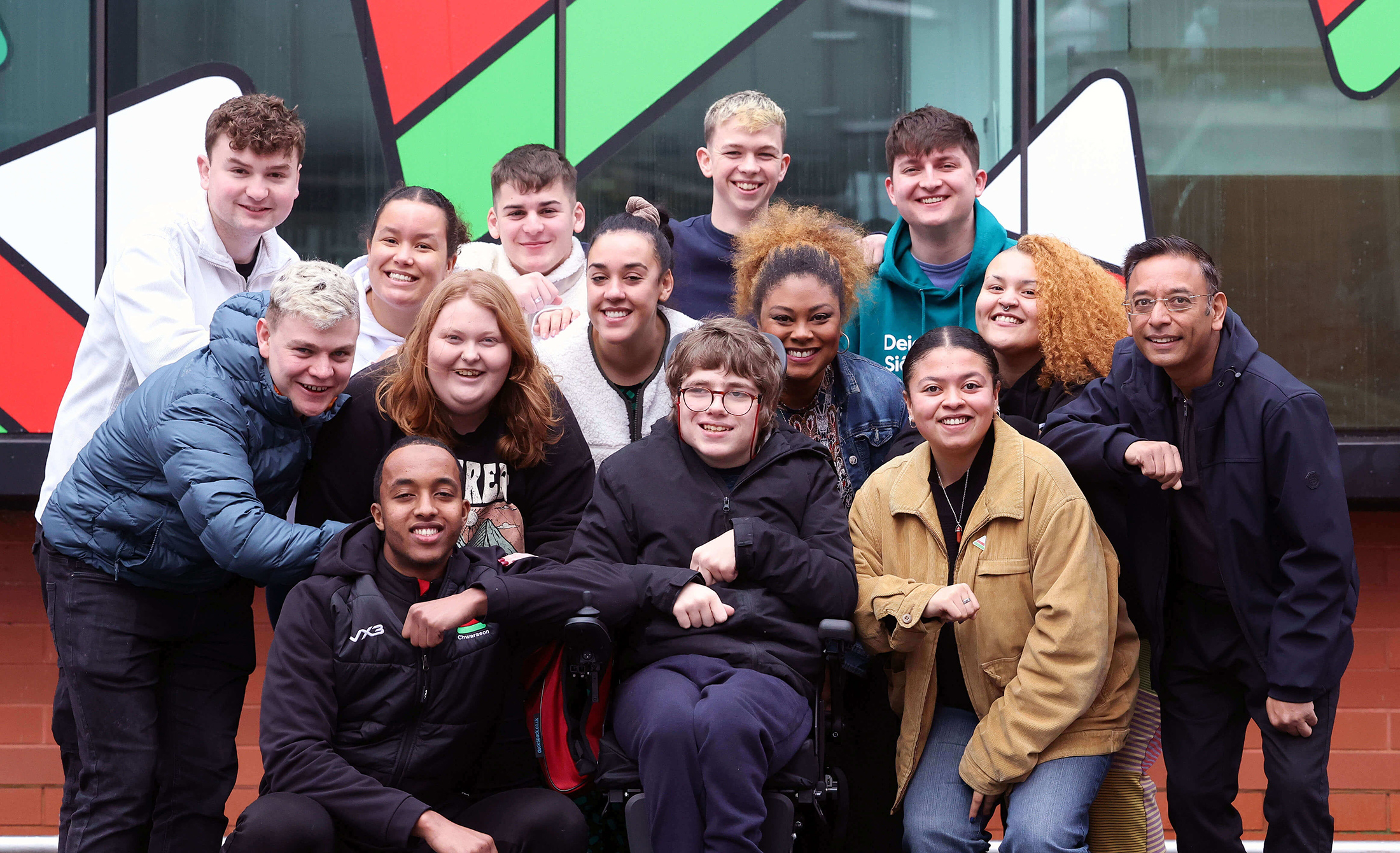
Cardiff University students, Eädyth, Natalie Jones and Sunil Patel at the 2023 Peace and Goodwill Message workshop
https://www.urdd.cymru/en/peace-and-goodwill/archive-message/neges-heddwch-ac-ewyllys-da-2023/
Written by young people for young people, the Peace Message responds to current global issues such as war, injustice, climate change, pandemics, and discrimination. Annually, young people across Wales discuss what is happening in the world and work together to express their hopes for peace, dignity, and understanding. The message is shared on 18 May (Goodwill Day) and is now translated into dozens of languages and shared globally through digital media. Responses from around the world, often in the form of letters, artwork, or videos, show that young voices can cross borders and build connection.
The importance of this tradition lies in how it is created: through dialogue, listening, and shared responsibility. It teaches a vital lesson for living with difference; that you do not need to be the same as someone else to care about their safety, rights, and future.
One recent Peace Message was created in honour of the centenary of the Women’s Peace Petition. This remarkable campaign began in 1923, when nearly 400,000 Welsh women signed a seven-mile-long petition calling for a world without war. Carried in an oak chest to the United States, it symbolised solidarity across nations after the devastation of the First World War. Both the Peace Petition and the Urdd Peace and Goodwill Message show how Wales connects local voices to global hopes for peace.
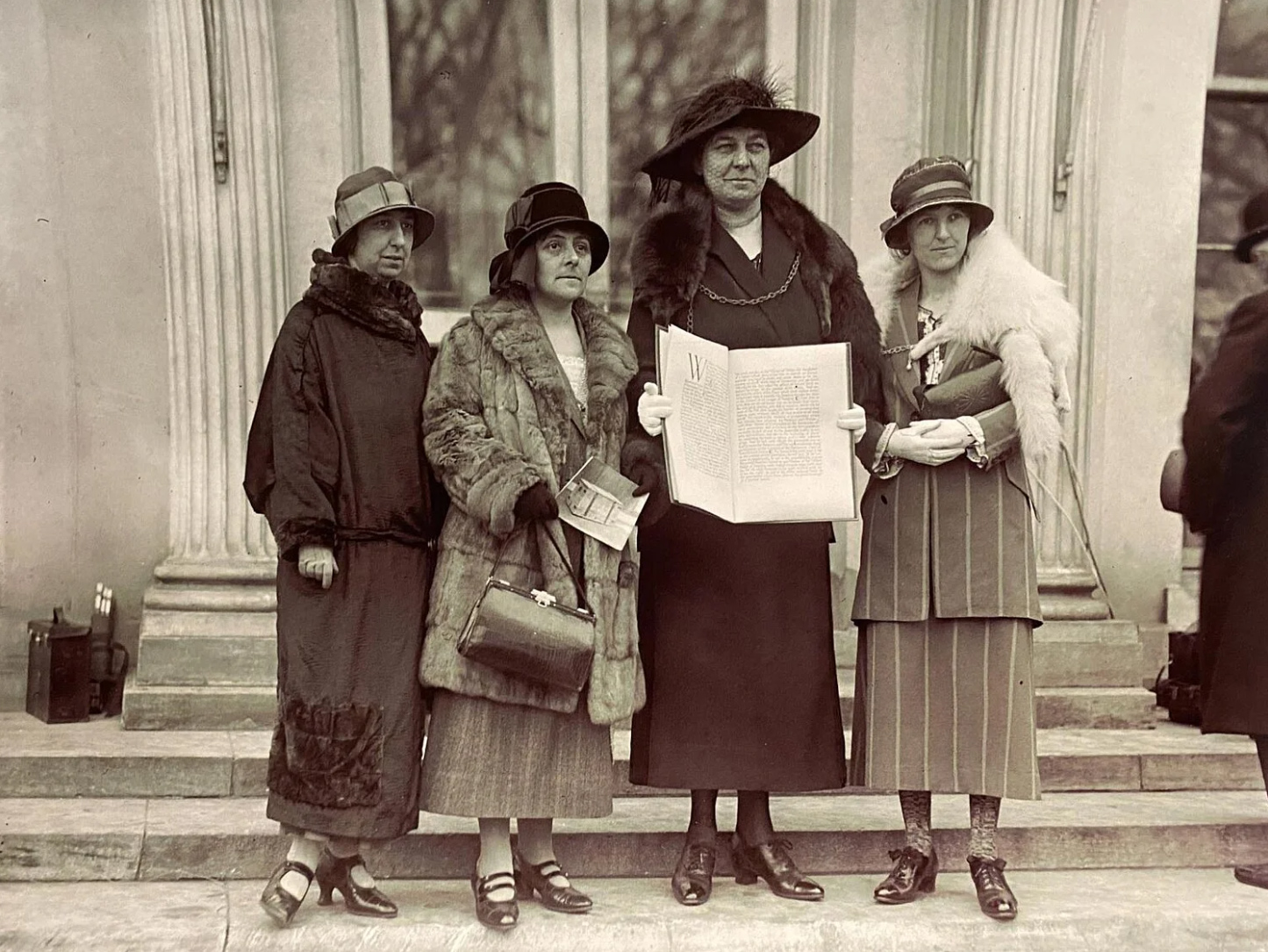
From left to right: M.G. (Gladys) Thomas; Mary Elizabeth Ellis; Annie Jane Hughes-Griffiths; Elined Prys.
https://www.library.wales/peacepetition
Symbols of peace: learning through Peace Mala
Another inspiring example of living with difference is Peace Mala, an educational project founded after the horrific events of 9/11. Peace Mala uses a simple but powerful symbol: a double rainbow bracelet.
Every coloured bead represents a spiritual path, while the central bead represents the person who wears it and the interconnectedness of the whole cosmos. The ‘Golden Thread’ runs through the bracelet which is a powerful symbol of the Golden Rule: treat others as you would wish to be treated. Making and wearing the bracelet is both a learning activity and a commitment to challenge prejudice, to celebrate diversity, and to choose compassion.
Peace Mala is especially effective educationally because it is visual and tactile, helping young people of all abilities engage with complex ideas like pluralism, interdependence, and respect in a meaningful way.

Peace Mala rainbow bracelet
https://www.peacemala.org.uk/
Being a global neighbour
Being a ‘global neighbour’ doesn’t require travelling the world. It starts locally in schools, youth groups, and communities, and can still have global impact. Every person can practise this by:
- Asking respectful questions instead of making assumptions.
- Challenging stereotypes when they hear them.
- Standing up against bullying, racism, or exclusion.
- Learning about beliefs and cultures different from their own.
Living together with difference isn’t always easy, but through dialogue, shared values, and mutual respect, peaceful coexistence isn’t just possible – it’s something we can actively build. Healthy and respectful global relations, as such, is integral for this. We can disagree, but we can respect one another.