Erthygl 1
Teuluoedd yng Nghymru
Awdur: Paula Webber
Teuluoedd yng Nghymru
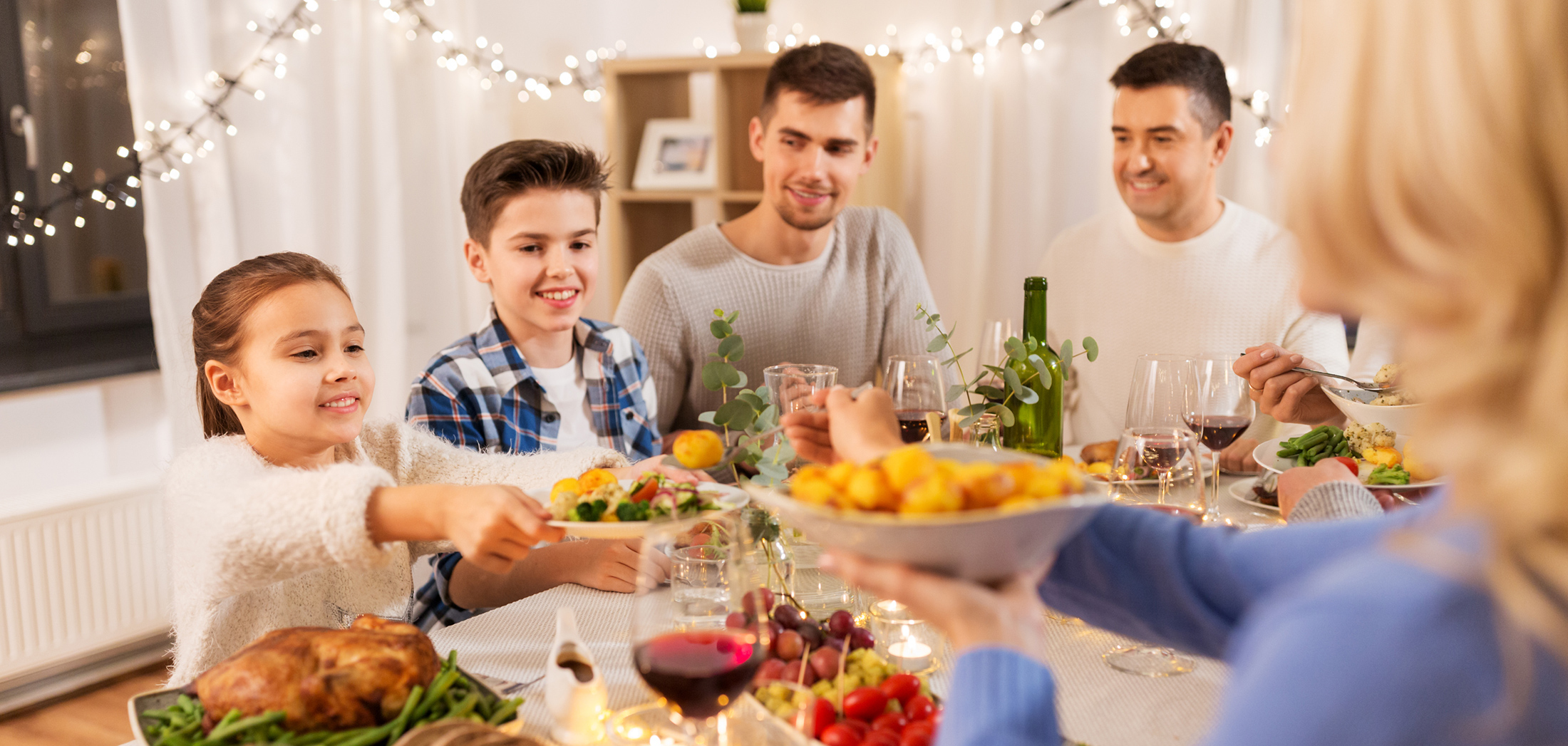
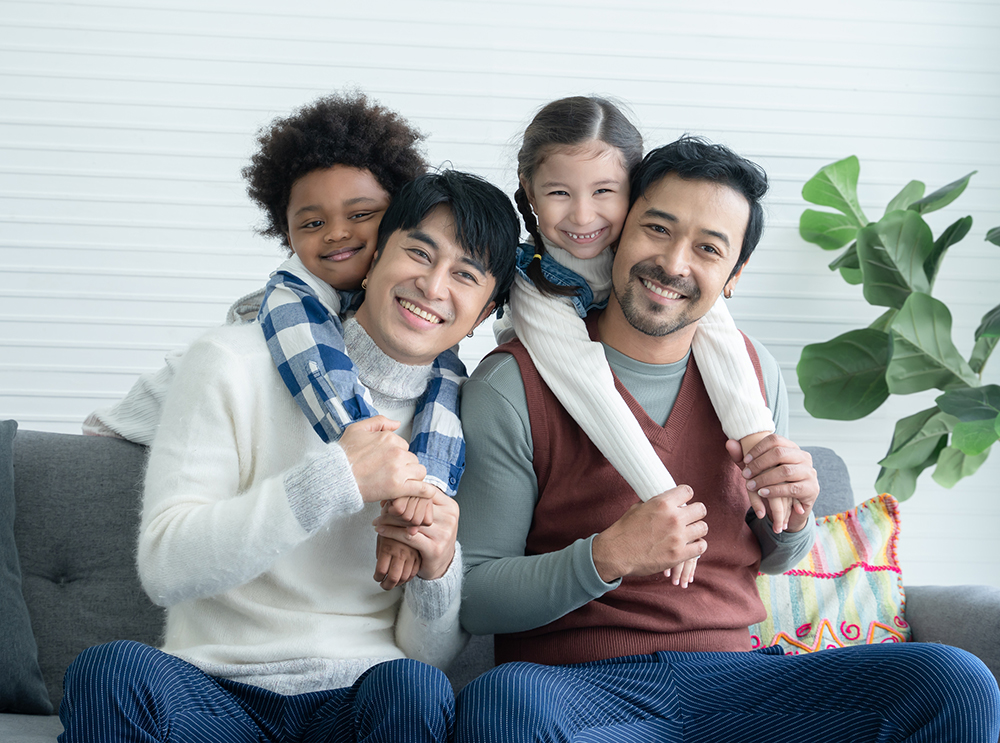
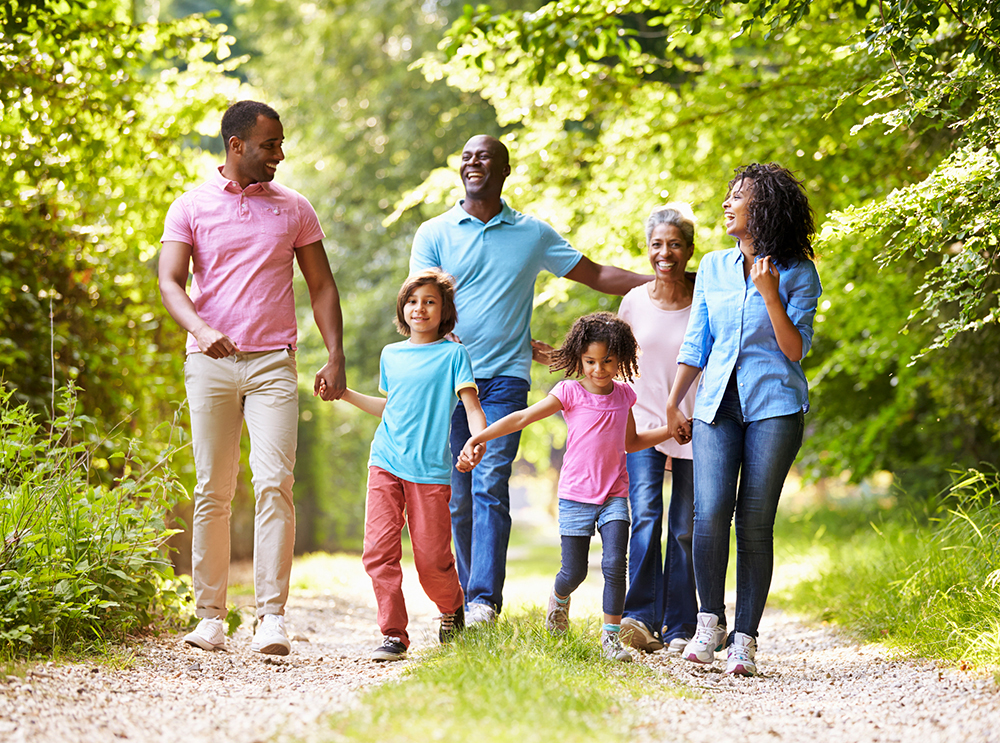
Mae teuluoedd yn rhan o fywyd bob dydd yng Nghymru. O Aberystwyth i Gaerdydd i Fangor, mae teuluoedd o bob math. Mae rhai yn byw yn yr un tŷ. Mae gan rai yr un cyfenw. Ac eraill ddim. Yr hyn sy’n bwysig yw bod teuluoedd yn gofalu am ei gilydd, yn cefnogi ei gilydd ac yn helpu ei gilydd i deimlo'n ddiogel a bod rhywun yn eu deall nhw.
Mae pob teulu yn unigryw. Mae teulu yn gallu cynnwys rhieni, neiniau a theidiau, brodyr a chwiorydd, modrybedd, ewythrod, cefndryd, gofalwyr maeth, neu ffrindiau agos sy'n teimlo fel teulu. Mae rhai teuluoedd yn fawr ac yn brysur. Mae eraill yn fach ac yn dawel. Mae rhai pobl yn teimlo bod cymuned eu hysgol, neu lle maen nhw'n gweithio, yn deulu hefyd. Mae teuluoedd yn gallu newid dros amser hefyd. 'Does yr un ddau deulu yr un fath, ond mae pob teulu yn bwysig oherwydd eu bod yn rhoi cariad, gofal a theimlad o gyfrifoldeb.
Hunaniaeth, perthyn, a chynefin
Mae teuluoedd yn helpu i siapio pwy ydym ni. Maen nhw'n pasio straeon, traddodiadau, credoau ac arferion bob dydd i'w gilydd. Mae'r profiadau yma yn arwain sut rydym ni'n gweld y byd a'r hyn sy'n bwysig i ni.
Yng Nghymru, rydym ni’n defnyddio'r gair cynefin. Mae cynefin yn fwy na dim ond lle rydym ni'n byw. Dyma'r lle rydym ni'n teimlo ein bod ni'n perthyn. Lle mae'r hyn da ni'n ei weld a'i glywed o'n cwmpas yn gyfarwydd, yn gyfforddus a rhywle yr ydym ni’n ei ddeall. Lle rydym ni'n teimlo'n gartrefol. I lawer o bobl ifanc, mae teulu yn rhan bwysig o'u cynefin. Mae ysgol, ffrindiau, clybiau, ac oedolion dibynadwy hefyd yn helpu i greu'r teimlad yma o berthyn. Mae yna ddywediad enwog: “Mae'n cymryd pentref i fagu plentyn.” Mae ysgolion yn rhan o'r pentref hwnnw hefyd.
Pam bod teulu yn bwysig
Mae teuluoedd yn ein cefnogi mewn llawer o ffyrdd. Maen nhw'n ein hannog ni, yn ein helpu ni efo gwaith cartref, ac yn gwrando pan fyddwn ni'n teimlo'n ddigalon. Maen nhw'n rhannu dathliadau a thraddodiadau. Nid yw teuluoedd yn berffaith, ac weithiau mae ffraeo a thensiynau. Weithiau, mae bywyd teuluol yn gallu chwalu hefyd. Ond, mae teulu yn dal i fod yn bwysig oherwydd eu bod nhw'n ein helpu ni i dyfu, teimlo cysylltiad, ac yn rhoi cymorth a chariad i ni. Mae teuluoedd sy’n wynebu sefyllfaoedd anodd yn gallu gael cymorth gan weithwyr proffesiynol, cymdogion neu wahanol gymunedau crefyddol ac anghrefyddol.
Mae'n bwysig deall bod teuluoedd yng Nghymru yn aml yn amrywiol oherwydd bod safbwyntiau gwahanol am y byd (bydolygon) yn gallu cael dylanwad arnyn nhw - rhai crefyddol a rhai anghrefyddol. Mae perthnasoedd teuluol yn ganolog i'r rhan fwyaf o grefyddau ac maent yn bwysig iawn i bobl anghrefyddol hefyd. Yn yr erthygl hon, rydym yn edrych ar safbwynt Bahá'í a Dyneiddwyr ar y teulu. Efallai y byddwch chi eisiau gwybod mwy am safbwyntiau plwralaidd am deuluoedd mewn credoau eraill trwy eich gwaith ymchwil a'ch gwaith ymholi yn nes ymlaen.
Safbwynt y ffydd Bahá'í ar y teulu: undod, cydraddoldeb, a gwasanaeth
Mae'r ffydd Bahá'í yn credu mewn un Duw neu greawdwr ysbrydol a bod pob crefydd yn rhan o un grefydd neu lwybr ysbrydol. Mae pob person yn rhan o un teulu dynol. Mae’r ffydd Bahá'í yn dysgu y dylai'r teulu fod yn lle ar gyfer undod, tegwch ac addysg foesol. Maen nhw’n credu bod pob person o'r un gwerth. Maen nhw'n credu mewn undod dynoliaeth, sy'n golygu bod pob person o'r un gwerth a bod cysylltiad rhwng pawb. I bobl o'r ffydd yma, mae cred yn dechrau o fewn bywyd y teulu.
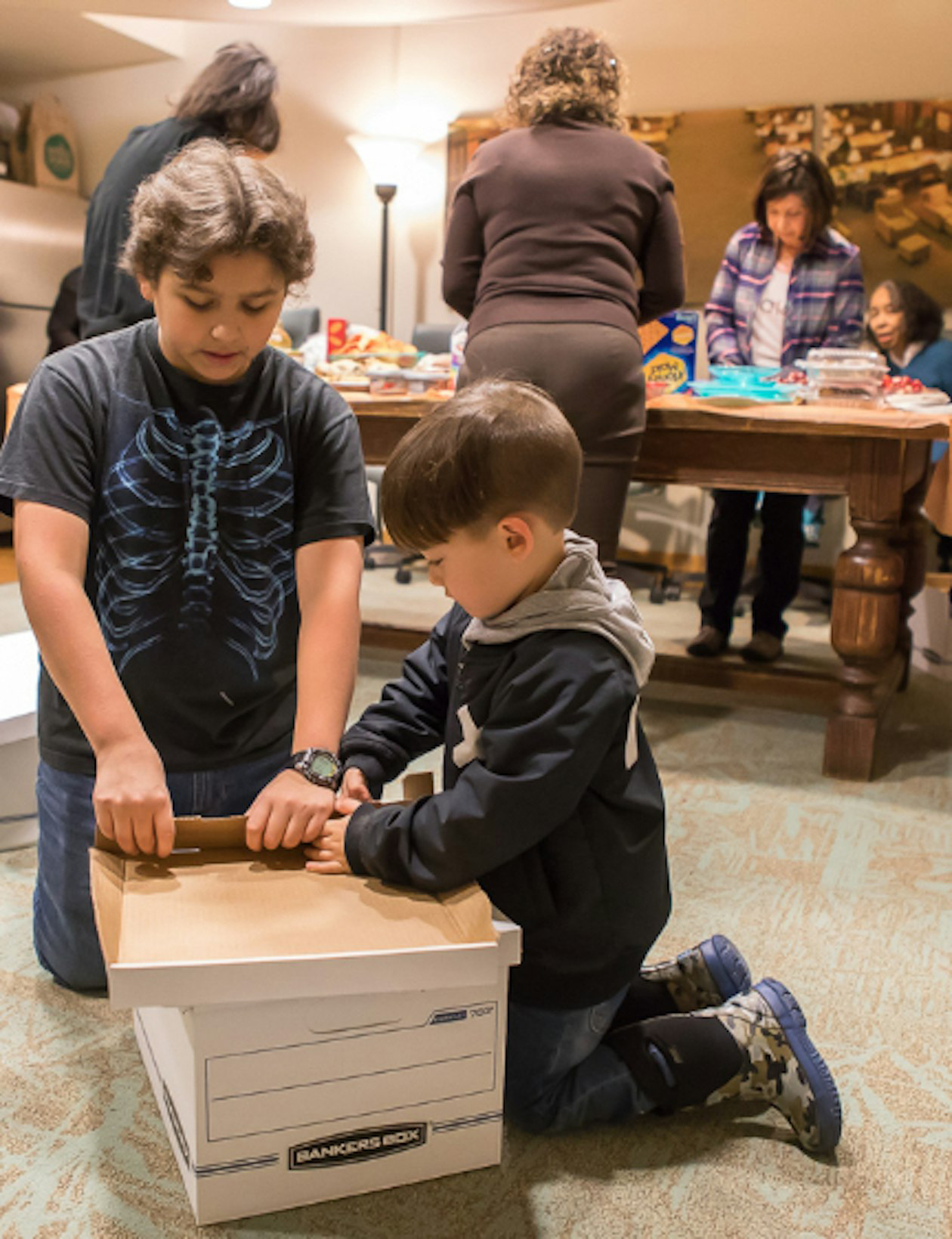
Undod mewn teulu Bahá’í
https://www.bahai.org/action/family-life-children
Mae teuluoedd yn cael eu hannog i ymarfer ymgynghori. Mae hyn yn golygu bod aelodau'r teulu yn cael eu hannog i wrando ar ei gilydd, rhannu syniadau, a gwneud penderfyniadau efo'i gilydd. Mae ymgynghori yn helpu teuluoedd i ddatrys problemau yn heddychlon ac yn sicrhau bod llais pawb yn bwysig.
Mae dysgeidiaeth Bahá'í yn pwysleisio cydraddoldeb rhwng merched a dynion a bod cyfrifoldeb ar bob aelod o'r teulu. Maen nhw’n credu bod gan blant botensial ysbrydol a moesol. Mae addysg yn hanfodol er mwyn iddyn nhw ddatblygu ac ar gyfer cymdeithas iach. Mae gwasanaeth hefyd yn werth allweddol mewn Bahá’í. Mae teuluoedd Bahá'í yn ceisio helpu eu cymuned trwy ofalu am gymdogion, ymuno â phrosiectau lleol, a gwarchod yr amgylchedd. Fel hyn, mae teuluoedd yn helpu i greu byd heddychlon a theg a chryfhau eu teimlad nhw o gynefin.
Defodau newid byd Bahá'í
Mae dathliadau o fywyd y teulu yn digwydd ym mhob teulu Bahá’í. Mae seremoni enwi yn croesawu babi newydd drwy weddïo a bendithio. Yn 15 oed, mae person ifanc yn cael dewis dilyn y ffydd Bahá'í neu beidio, sy'n nodi eu cam tuag at aeddfedrwydd ysbrydol. Mae priodasau Bahá'í yn canolbwyntio ar undod, symlrwydd, ac ymrwymiad gydol oes. Nid oes temlau Bahá’í yng Nghymru, ond mae rhai cyplau Bahá’í wedi dewis priodi yn y Deml Heddwch yng Nghaerdydd, ymysg llefydd eraill - mae Neuadd Farmor a thrwydded i gynnal seremoni sifil yno.
Safbwyntiau dyneiddiol o'r teulu: gofal, dewis a gwerthoedd cyffredin
Mae dyneiddwyr yn credu bod ystyr a gwerthoedd yn dod o brofiadau dynol, rhesymu, ac empathi yn hytrach nag o gred crefyddol. Yn ôl Humanists UK, mae teuluoedd yn bwysig oherwydd eu bod nhw'n rhoi perthynas ble mae gofal, parch at y naill a'r llall, a chyfrifoldeb yn bwysig, gan helpu pobl i flodeuo.
Mae dyneiddwyr yn rhoi pwyslais cryf ar feddwl yn feirniadol a dysgu o brofiadau go iawn. Mewn teuluoedd, mae hyn yn golygu annog trafod yn agored, gwrando ar wahanol safbwyntiau a datrys unrhyw anghytuno mewn ffordd deg. Mae hanesion teuluol - am heriau maen nhw wedi'u hwynebu neu wersi maen nhw wedi'u dysgu - yn helpu pobl ifanc i siapio eu hunaniaeth a theimlo eu bod nhw’n perthyn.
Mae dyneiddwyr hefyd yn pwysleisio cyfrifoldeb moesegol at eraill. Mae llawer o deuluoedd Dyneiddiol yn cefnogi hawliau dynol, cyfiawnder cymdeithasol, cynaliadwyedd amgylcheddol a bod yn garedig. Drwy helpu eraill, mae teuluoedd yn cryfhau eu cymuned, yn adeiladu sicrwydd, ac yn dangos bod gwerthoedd cyffredin yn gallu arwain pobl i fyw'n dda efo'i gilydd.
Seremonïau dyneiddiol
Mae dyneiddwyr yn dathlu pethau sy'n digwydd yn y teulu, mewn ffyrdd personol ac anghrefyddol. Mae seremonïau enwi yn croesawu plant. Mae priodasau yn dathlu cariad ac ymrwymiad. Mae angladdau yn canolbwyntio ar rannu atgofion a hanesion bywyd person.
Teuluoedd a pherthyn
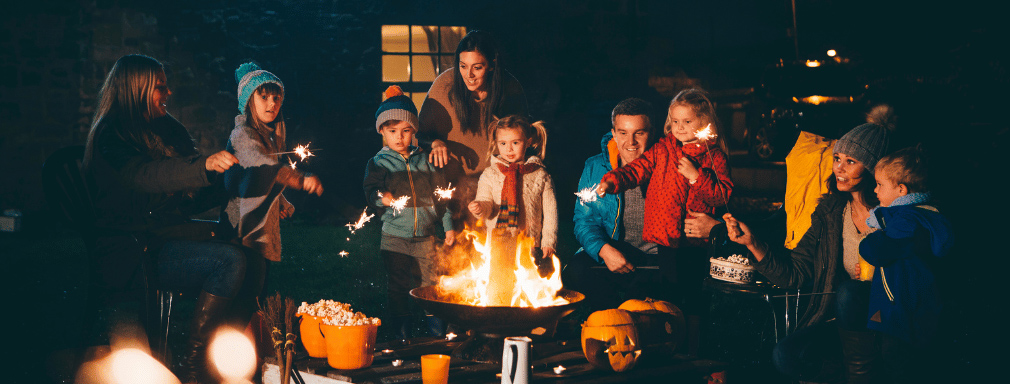
Teuluoedd yw'r cymunedau cyntaf yr ydym ni'n perthyn iddynt. Maen nhw'n siapio ein hunaniaeth, yn rhoi hyder i ni, ac yn ein dysgu ni sut i ofalu am eraill. Mae teuluoedd yn ein helpu ni i dyfu i fod yn aelodau cyfrifol yn ein cymuned ehangach - boed hynny drwy werthoedd Bahá’í, sef undod a gwasanaeth, neu werthoedd Dyneiddiol, sef tosturi a dewis, neu drwy wahanol fydolygon a ffyrdd o fyw. Pan fydd teuluoedd, ysgolion a chymdogion yn cefnogi ei gilydd, mae’r teimlad o gynefin a pherthyn yn gryfach i bawb.