
Erthygl 3
Rôl merched yn y teulu
Awdur: Neera Vyas
Rôl merched yn y teulu
Er bod 'cydraddoldeb' yn gred allweddol yn y rhan fwyaf o grefyddau, mae rhai crefyddau yn rhoi rôl neu ddyletswyddau gwahanol i ddynion a merched yn y teulu. Mae yna wahaniaeth yn gallu bod yn yr hyn sydd wedi'i ysgrifennu yn yr ysgrythur a sut mae pobl yn ymddwyn.
Mae dysgeidiaeth Iddewig yn aml yn dweud mai'r flaenoriaeth i ferched yw trosglwyddo'r ffydd trwy gadw cartref Iddewig (e.e. gwneud yn siŵr bod pawb yn cadw at ddeddfau bwyd, a pharatoi ar gyfer y Sabath), yn ogystal â'r agwedd bwysig iawn ar fod yn fam – mewn Iddewiaeth, mae plant yn cael eu hystyried yn Iddewig os yw eu mam yn Iddewig.
Mae gan ddynion Iddewig a Mwslimaidd gyfrifoldeb i addoli yn y synagog neu'r mosg - yn draddodiadol, nid yw merched yn cael addoli ochr yn ochr â dynion yn y ddau le yma.
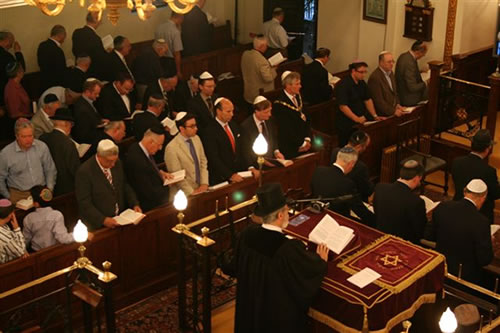
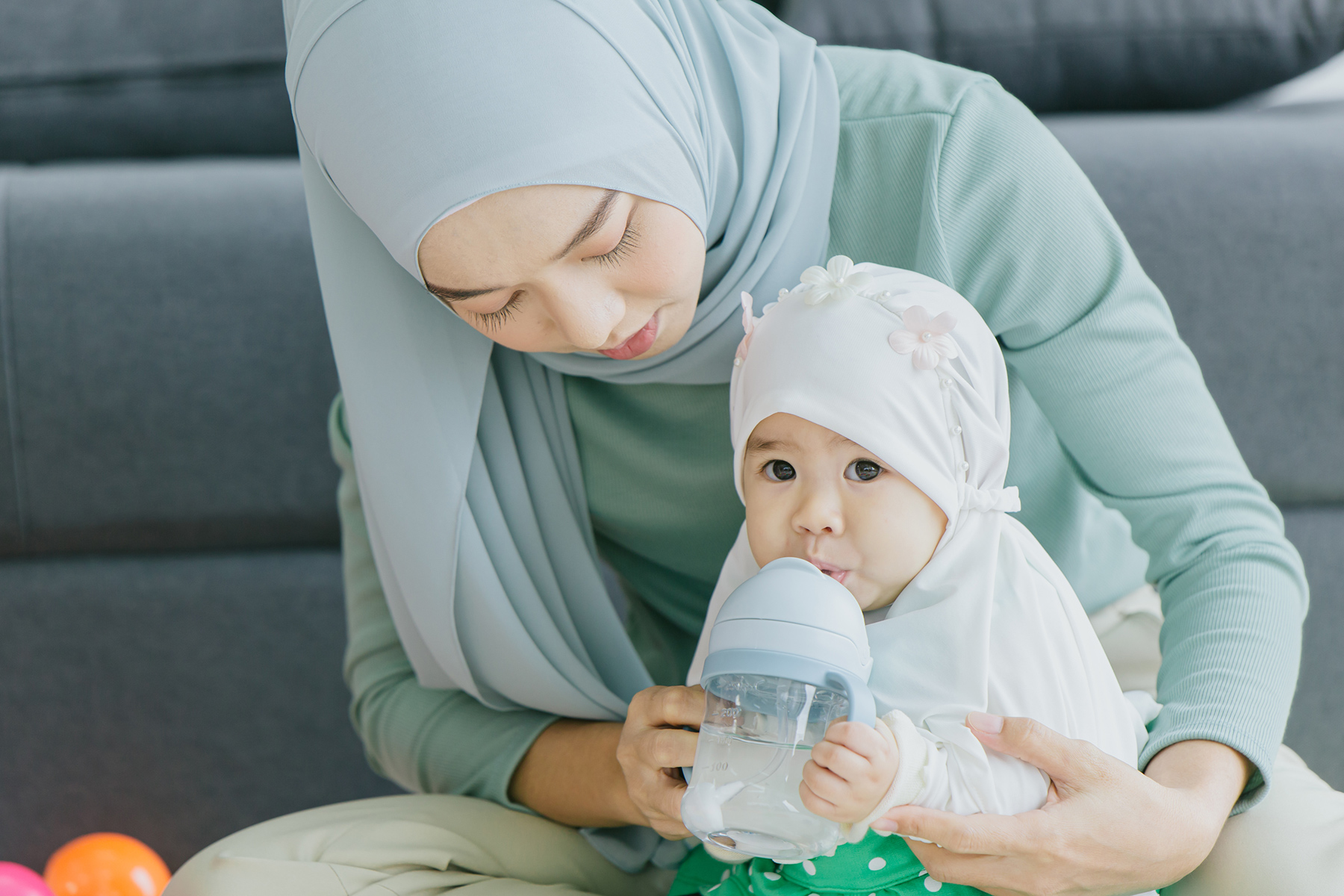
Ond, mae arferion yn newid, gyda mwy o ddynion a merched yn addoli efo'i gilydd, yn enwedig yn Ewrop a Gogledd America. Efallai bod hynny'n awgrymu bod y ffordd y mae merched yn cael eu gweld yn fwy i wneud efo normau cymdeithas (yr hyn sy'n cael ei ystyried yn 'normal' gan y rhan fwyaf o bobl mewn cymuned neu wlad) yn hytrach na chrefydd.
Mae'n bwysig nodi hefyd bod gwahanol rolau yn gallu cael yr un gwerth, sef yr esboniad y mae llawer o gredinwyr yn ei roi ar gyfer rhaniadau rôl. Er enghraifft, mae magu plant a'u dysgu nhw i ddilyn dysgeidiaeth grefyddol (rôl sy'n aml yn cael ei rhoi i ferched) yr un mor bwysig i deulu ag ydi ennill bywoliaeth a chynrychioli'r teulu mewn man addoli (rôl sy'n aml yn cael ei rhoi i ddynion).
Ond, mae rhai pobl yn credu bod rôl dynion yn well ac maen nhw'n gallu ddefnyddio hyn i gyfiawnhau trin merched yn wael. Dynion sy'n gwneud hyn gan mwyaf, ond mae merched eraill yn gallu gwneud hefyd - er enghraifft, trwy gam-drin merched-yng-nghyfraith ac annog anffurfio organau cenhedlu merched (FGM).
'Patriarchaeth' ydi'r term sy’n golygu bod gan ddynion fwy o bŵer neu awdurdod. Ychydig iawn o gymdeithasau yn y byd neu'n hanesyddol sydd heb fod yn batriarchaidd.
Dyma rai enghreifftiau o arferion patriarchaidd yn y DU:
Fe ddaru'r Gymdeithas Bêl-droed (FA) wahardd pêl-droed i ferched rhwng 1921 a 1951.
Ni chafodd merched yr un hawliau i bleidleisio yn etholiadau'r senedd tan 1929.
Nid oedd merched yn cael cyfrif banc na benthyciad heb i ddyn (fel arfer y gŵr neu'r tad) gytuno tan 1975.
Nid oedd merched yn cael bod yn offeiriaid yn Eglwys Lloegr tan 1994, ac yn yr Eglwys yng Nghymru tan 1996.
Nid oedd trefn yr olyniaeth i'r orsedd yn ôl oedran (pob bachgen yn gyntaf - wedyn merched) tan 2015.
Hefyd, roedd y teulu weithiau'n gweld merched fel baich ariannol ac roedden nhw'n gorfod priodi pwy bynnag oedd yn cynnig y mwyaf o arian amdanyn nhw - roedden nhw hyd yn oed yn cael eu gorfodi i briodi weithiau. Mae hyn yn rhywbeth sy'n dal i ddigwydd mewn rhannau tlotach o'r byd heddiw. Mae’n bwysig deall hyn:
Mae 'priodas dan orfod' wedi bod yn drefn gymdeithasol sydd wedi dod yn draddodiad diwylliannol i rai pobl (dyma ble tydi'r rheiny sy'n priodi - y briodferch yn amlach na'r priodfab - ddim yn cael dewis, ac efallai eu bod nhw'n cael eu gorfodi'n emosiynol neu'n gorfforol).
Nid yw traddodiadau diwylliannol yr un fath â rheolau crefyddol - er bod pobl yn gallu drysu rhwng y ddau a hyd yn oed credu ei fod yn rhywbeth crefyddol - ond mewn gwirionedd, nid yw'n seiliedig ar yr ysgrythur nac ar ddysgeidiaeth.
Nid yw 'priodas dan orfod' yr un fath â 'phriodas wedi'i threfnu', ble mae'r ddau bartner yn cytuno.
Mae 'priodas dan orfod' neu 'briodas wedi'i threfnu' wedi bod yn digwydd mewn llawer o grefyddau a thraddodiadau ers canrifoedd - dyma'r rhesymau:
- Rheoli cyfoeth, tir neu bŵer.
- Sicrhau bod y llinell deuluol yn parhau.
- Sicrhau cronfa enynnau fawr (yn enwedig yn y traddodiad Hindŵ).
Mewn priodas, mae'r rhan fwyaf o grefyddau yn gweld bod cael plant yn rhywbeth dymunol. Er enghraifft, mae dysgeidiaeth Gatholig yn gwahardd rhyw oni bai bod potensial i greu plant, gan mai pwrpas rhyw yw creu. Yn hanesyddol, mae hyn wedi achosi i lawer o ferched deimlo mai eu hunig rôl yw bod yn fam, ac efallai eu bod nhw'n teimlo'n euog neu'n annigonol os nad ydyn nhw'n gallu cenhedlu.
Hefyd, mae pwyslais patriarchaidd wedi bod, yn draddodiadol, ar y ffaith bod rhaid i ferch fod yn wyryf cyn priodi. Roedd yn arfer gyffredin mewn rhai diwylliannau i ddangos y dillad gwely o noson y briodas i'r teulu, neu hyd yn oed i bawb yno i 'brofi' bod y briodferch yn wyryf. Mae'n deg dweud bod y pwyslais yma ar wyryfdod y ferch yn aml yn fwy i wneud efo pryder bod unrhyw blant yn bendant yn perthyn i'r gŵr, yn hytrach na pharch at reolau crefyddol am wyryfdod, a fyddai'r un mor berthnasol i ddynion â merched.
Mae dysgeidiaeth Hindŵ yn dweud bod pedwar cam mewn bywyd. Mae'r tri cham cyntaf yn berthnasol i ddynion a merched, ond yn gymdeithasol, mae mwy o bwysau yn aml ar ferched i fod yn gwneud y cam 'deiliad y cartref'.
Dysgwr (genedigaeth nes oed priodi).
Deiliaid cartref (priodas, plant, cadw tŷ).
Ymddeoliad (rhannu doethineb, datblygu ysbrydolrwydd).
Sannyasin (lefel eithriadol o ddatblygiad ysbrydol).
Ac mae pedwar nod mewn bywyd hefyd:
Dharma
Cyflawni eich dyletswyddau personol, cymdeithasol a chrefyddol. Mae faint o bwysigrwydd sy'n cael ei roi ar bob un o'r rhain yn gallu amrywio o deulu i deulu.
Artha
Ennill bywoliaeth onest.
Kama
Cael pleser synhwyrol heb achosi niwed i eraill (felly nid yw rhyw am greu yn unig, sy'n wahanol i ddysgeidiaeth Gatholig, er enghraifft).
Moksha
Torri'n rhydd o gylch ailymgnawdoliad..
Cofiwch, mae 'kama' yn wahanol i'r syniad o 'karma' (bod canlyniadau i weithredoedd) - mae llawer o bobl wedi clywed am 'karma' ac mae'n cael ei ddefnyddio i ddangos bod person yn talu am wneud pethau 'drwg' neu'n cael gwobr am wneud pethau 'da'.
Mae kama yn cynnwys mwynhau chwaraeon, cerddoriaeth, bwyd a rhyw. Ond, er nad prif bwrpas rhyw yw creu, mae dyletswydd grefyddol i geisio cael plant (edrychwch ar yr ail gam mewn bywyd uchod), ac mae cymdeithas yn rhoi pwysau mawr ar ferched Hindŵ nid yn unig i gael plant, ond bod y plant hynny’n fechgyn hefyd.
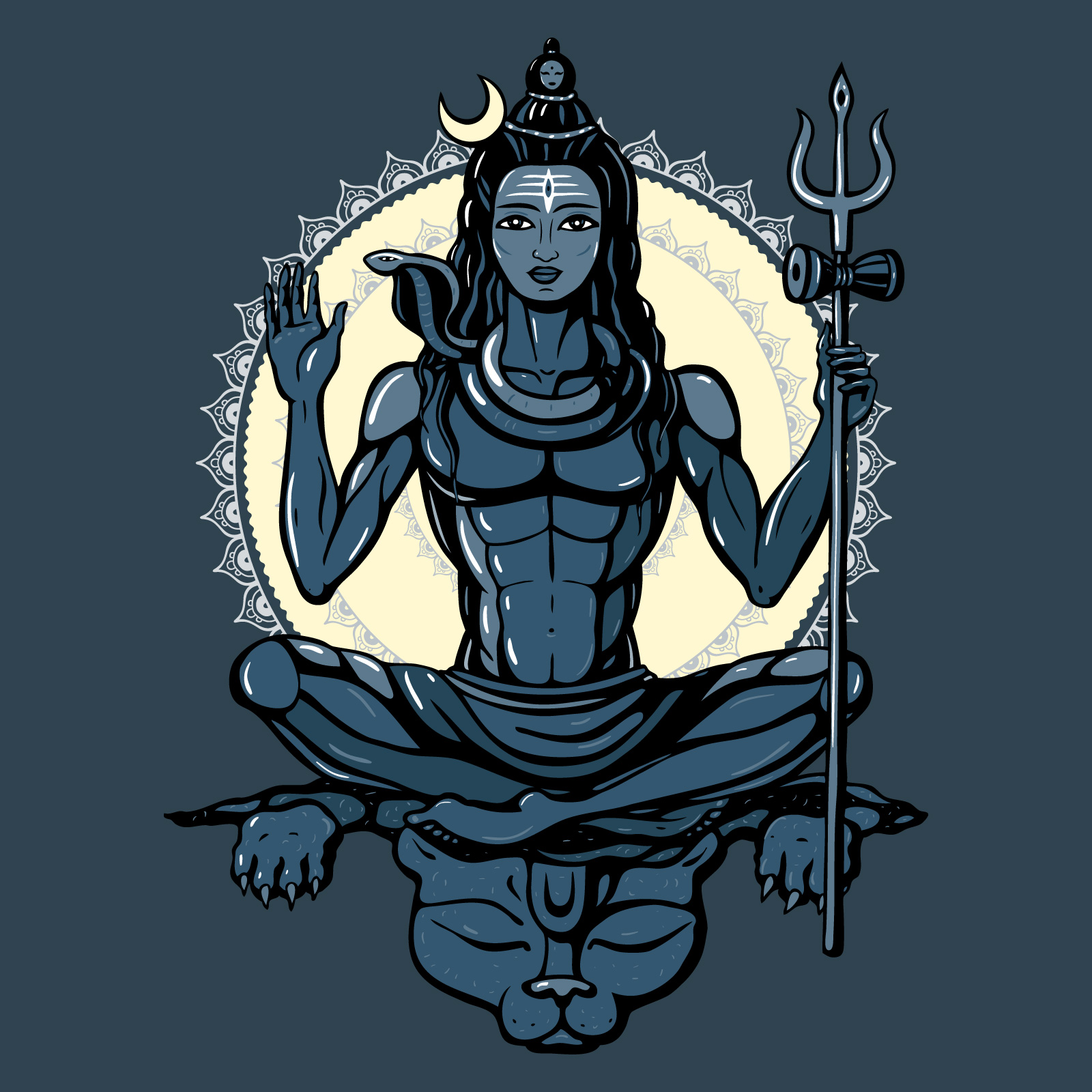
Mae Shivashakti yn ddelwedd Hindŵ sy'n dangos un egni dwyfol, efo agweddau gwrywaidd a benywaidd. Un dehongliad amlwg yw bod Hindŵiaid yn gweld bod dynion a merched cyn bwysiced â'i gilydd. Yn yr un ffordd, mae llawer o dduwiau sy'n ferched, ac mae llawer o Hindŵiaid yn addoli syniadau benywaidd o'r dwyfol, fel Saraswati, Lakshmi a Kali (isod).
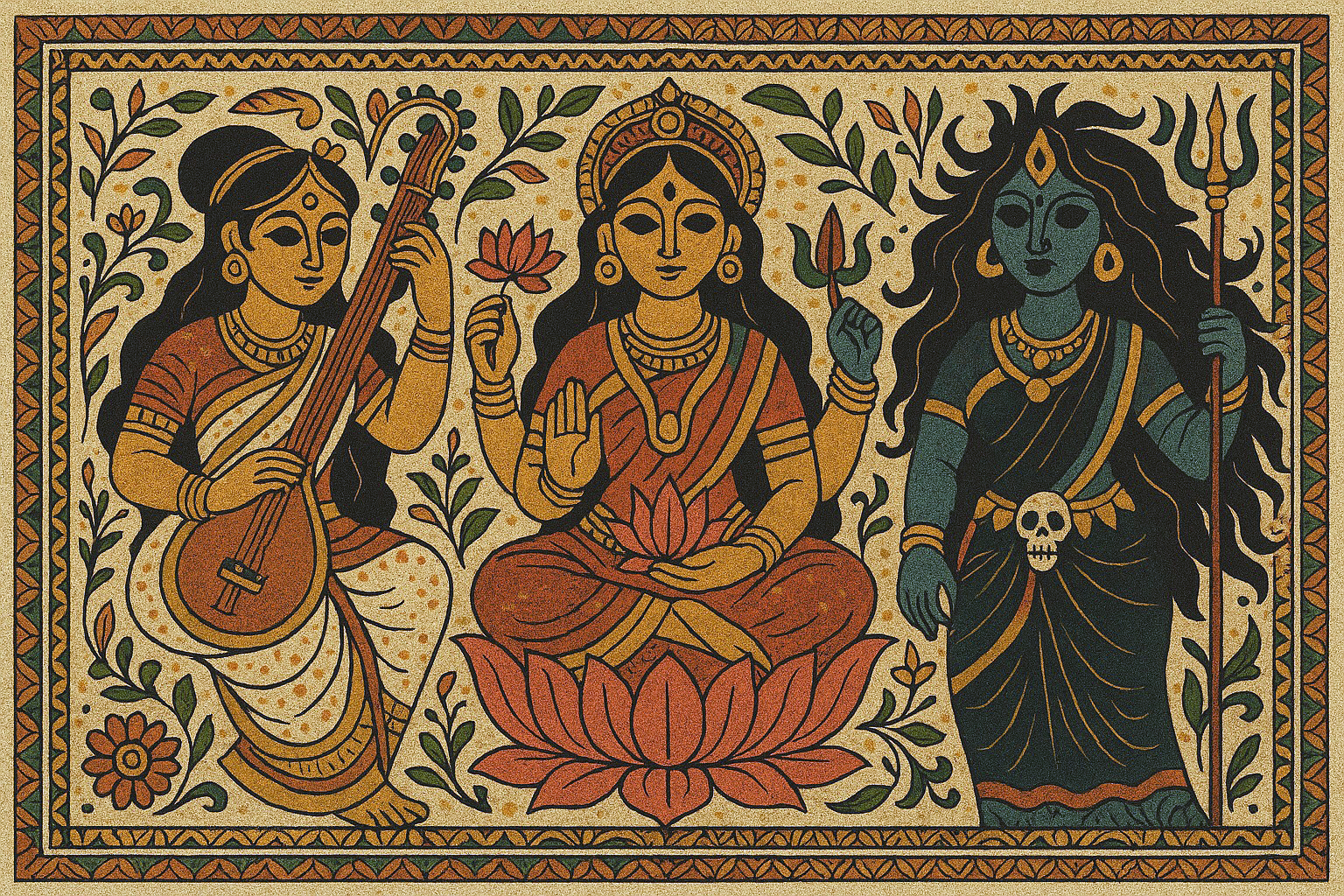
Ond, nid yw merched a genethod yn aml yn cael yr un statws â dynion a bechgyn mewn rhai teuluoedd Hindŵ. Mae'r un fath yn wir mewn llawer o deuluoedd Sikhaidd a Bwdhaidd hefyd, er bod dysgeidiaeth glir sy'n hybu cydraddoldeb yn y ddwy ffydd yma. Mae'r dylanwad sydd gan gymdeithas a diwylliant ar sut mae pobl yn meddwl ac yn ymddwyn yn un esboniad posibl am y gwahaniaeth yma rhwng dysgeidiaethau crefyddol a sut mae dilynwyr yn byw eu bywyd.
Hefyd, mae'r rheolau sy'n berthnasol i ddynion a merched yn aml yn cael eu dehongli yn fwy 'caeth' i ferched nag i ddynion. Er enghraifft, mae dysgeidiaeth Islam i ddilynwyr 'wisgo'n weddus' - weithiau yn cael ei dehongli fel bod rhaid i ferched orchuddio'u hunain o'u corun i'w sawdl. Wedi dweud hynny, mae rhai merched yn credu bod 'gorchuddio'u hunain' yn rhoi'r rhyddid iddynt rhag gael eu beirniadu am y ffordd maen nhw'n edrych.
Mae merched yn cael eu beirniadu fwyfwy ar draws y byd ar hyn o bryd, gan gynnwys yng Ngogledd America ac Ewrop, ble mae rhai pobl yn defnyddio dysgeidiaeth Gristnogol a'r Beibl i gyfiawnhau eu barn bod dynion yn bwysicach na merched.
Er enghraifft, mae Sant Paul yn 1 Corinthiaid 14:34-35 yn ysgrifennu: ‘Dylai gwragedd gadw'n ddistaw yn yr eglwys. Does ganddyn nhw ddim hawl i siarad, rhaid iddynt dderbyn y drefn'. Mae hyn wedi cael ei ddefnyddio am ganrifoedd i wahardd merched rhag fod yn offeiriaid mewn llawer o eglwysi Cristnogol, ond dyma'r rheswm sydd bellach yn cael ei roi i anwybyddu merched sy'n siarad am gydraddoldeb. Mae enghreifftiau eraill i'w cael yn stori’r creu yn Llyfr Genesis.
I grynhoi felly, mae rôl merched yn y teulu yn gallu amrywio oherwydd amryw o ffactorau, sy'n cynnwys crefydd. Ond, mae'n aml i wneud efo gwleidyddiaeth, y lle, y cyfnod (hanesyddol) a'r gymdeithas ble mae'r merched a'r teulu yn byw.